Love is Amzii
Bold, unapologetic, and endlessly evolving, Amzii Khan has never followed a blueprint. The artist talks about building her own
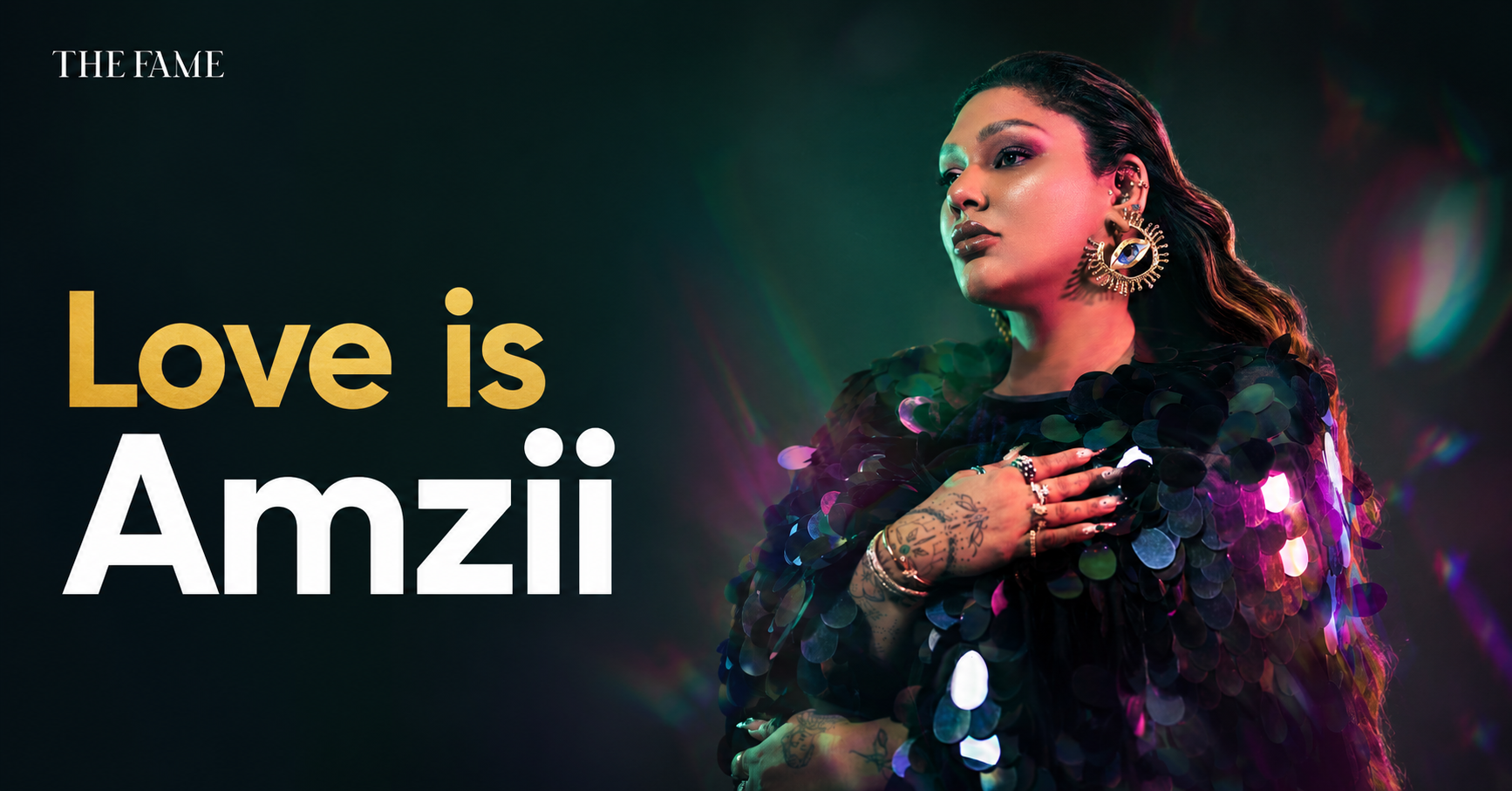
Bold, unapologetic, and endlessly evolving, Amzii Khan has never followed a blueprint. The artist talks about building her own lane, embracing vulnerability, and creating music that makes people feel.
1. What has been the biggest driving force behind your journey in music?
Music has always been how I process life—I feel through sound. Some people journal, some go to therapy, and some keep things inside. I write songs.
I’ve gone through many changes that were difficult to comprehend and accept: love, loss, grief, rebuilding myself, questioning who I am, and finding myself again. Music became the place where all of that had somewhere to go.
I started young. At 16, I became Bangladesh’s first female rapper, which earned me a place in the World Hip Hop Encyclopedia. Back then, there wasn’t really a blueprint for someone like me. I wasn’t trying to fit into the industry; I was trying to create a space where I could hide away yet still be seen. The driving force has always been the same: telling the truth, even when it’s uncomfortable. My ultimate goal is to evoke genuine emotion. I want people to feel something.
2. Can you take us through your songwriting process?
My songwriting process is, honestly, chaotic with a deadline. I’ve never responded particularly well to pressure when it comes to creativity; it has to happen on my own terms, otherwise, the creative part of me shuts down.
A song can begin with a random sentence in my notes app, a conversation, a person, an imaginary scenario, a dream, a melody, or even a single word that refuses to leave me alone. I usually start with the emotion first. I need to understand what I want the listener to feel. Once I know that, the lyrics tend to come naturally.
Sometimes I write an entire song in an hour. Other times, I’ll rewrite a single line fifty times because it doesn’t feel honest enough. I’m very instinctive. If a lyric sounds clever but doesn’t feel true, it gets cut. I would always rather have something real than something perfect.
3. Many artists draw inspiration from difficult life experiences. Do you think personal tragedy or hardship can lead to stronger artistic expression?
I don’t think suffering automatically makes someone a great artist. What matters is what you do with that suffering.
Pain gives you perspective. It forces you to ask deeper questions and strips away many of the superficial things we spend our lives worrying about. It has certainly sharpened my artistic instincts, my dark sense of humour, my ability to create punchlines, and my overall approach to storytelling.
Over the past few years, I’ve experienced profound loss. Those experiences changed me as a person, but they also changed the way I create. I no longer write to impress people—to be honest, I never really did. I write because I genuinely have something to say. The only person I need to impress is myself. Hardship taught me that life is short. Because of that, I believe my art has become more honest, more vulnerable, and ultimately more fearless.
4. What drew you to hip-hop as your primary genre?
Hip-hop was the first genre that made me feel like I didn’t need permission. I loved the storytelling and the confidence. I loved that people could speak openly about their lives, their struggles, their dreams, and their identities. For me, hip-hop wasn’t just music; it was a way of being yourself without having to answer to anyone.
As a young woman in Bangladesh, there weren’t many examples of female rappers. That challenge actually made me want it even more. I’ve always had a lot to say, and hip-hop gave me the perfect vehicle for expressing that voice. Having said that, I also perform pop and R&B, and I write my own music in both Bangla and English.
5. Are there any artists, musicians, or public figures you admire or look up to?
Definitely. Rihanna has always been a huge inspiration because she’s proven that artists don’t have to stay in one lane. I also admire Tate McRae, Ciara, Missy Elliott, Megan Thee Stallion, and Doja Cat. Each of them has a strong sense of identity and isn’t afraid to evolve or take risks. They are not only exceptional artists but also incredible performers; their stage presence, movement, and ability to command an audience are genuinely inspiring.
Closer to home, Arnob is someone I deeply respect for his authenticity and emotional storytelling. His music transports me to a different realm. Anusheh Anadil and Amy Lee, in particular, helped me realise the range and versatility of my own voice and encouraged me to explore singing in ways I hadn’t before.
6. How would you describe your personal style and identity beyond music?
I think people expect artists to fit into neat little boxes, but I’ve never been interested in that. One day I’m wearing a couture gown; the next day I’m hand-feeding baby lovebirds in my pyjamas. I’m deeply feminine but also incredibly stubborn. I’m creative but obsessed with business strategy. I’m emotional but analytical.
Fashion plays a huge role in how I express myself because clothing tells a story before you even speak. At the end of the day, my identity is rooted in authenticity. I’ve spent too much of my life trying to fit other people’s expectations. Now, I’m far more interested in simply being myself.
7. Your mother is a highly respected designer with an illustrious legacy of her own. How has her success and creative vision influenced your journey?
My mother taught me that talent means nothing without discipline. People often see the glamour of fashion, but what I witnessed growing up was the work ethic behind it—the long hours, the sacrifices, and the consistency. Watching her build a respected brand gave me a front-row seat to what it actually takes to create something meaningful and lasting.
Of course, having a recognisable family name comes with expectations. Sometimes people assume success was handed to you. The reality is that a family name might open a door, but it cannot keep you in the room. I’ve always wanted to honour my family’s legacy while building a legacy of my own. I became Amzii through my own work and persistence. I write and compose my own music, and nobody can take that away from me. My mother’s legacy didn’t create my artistry—I did. What she did give me was support, belief, and acceptance. She worked tirelessly to provide me with opportunities and a beautiful life, and I will always be grateful for that.
8. You recently shot a music video in Los Angeles. Tell us about that experience.
Los Angeles was an incredible experience. Filming on Hollywood Boulevard, rehearsing in Studio City, and working in spaces used by some of the biggest artists in the world felt both surreal and inspiring. It was one of those moments where you pause and realise that you’re standing in places you once only dreamed about.
One of the highlights was collaborating with Janeeva Pettway, an incredibly respected creative force whose credits include artists such as Ciara, Usher, Jason Derulo, Kanye West, and Chris Brown. Working with someone of her calibre was both inspiring and motivating; she challenged me creatively and helped me grow as an artist. The most valuable part, however, was the knowledge and perspective I gained throughout the process. And as a bonus, I made a lifelong friend along the way.
9. What do you hope listeners take away from your music?
I hope people feel less alone. We spend so much time pretending we’re okay when we’re not. We hide our grief, our fears, and our vulnerabilities. If someone listens to one of my songs and feels understood for three minutes, that’s enough for me.
I don’t want my music to tell people how to think. I want it to give them permission to feel. And if my story helps someone survive a difficult chapter in their own life, then every song is worth writing. Every listener is a gift to me. Everyone is welcome in Amzii’s space—even the haters.
10. What’s next for Amzii Khan?
A lot. There’s plenty of new music on the way, but the most important thing for me right now is becoming an even better musician. I’m focused on fine-tuning my artistry and growing into the performer little Amani always dreamed of becoming.
More than anything, I’m focused on building something lasting. I don’t want to be remembered for one song or one moment. I want to create a body of work that tells a story of resilience, reinvention, and refusing to let life define your limits. There are also more Bangla projects on the horizon, which I’m incredibly excited about. We’re just getting started.
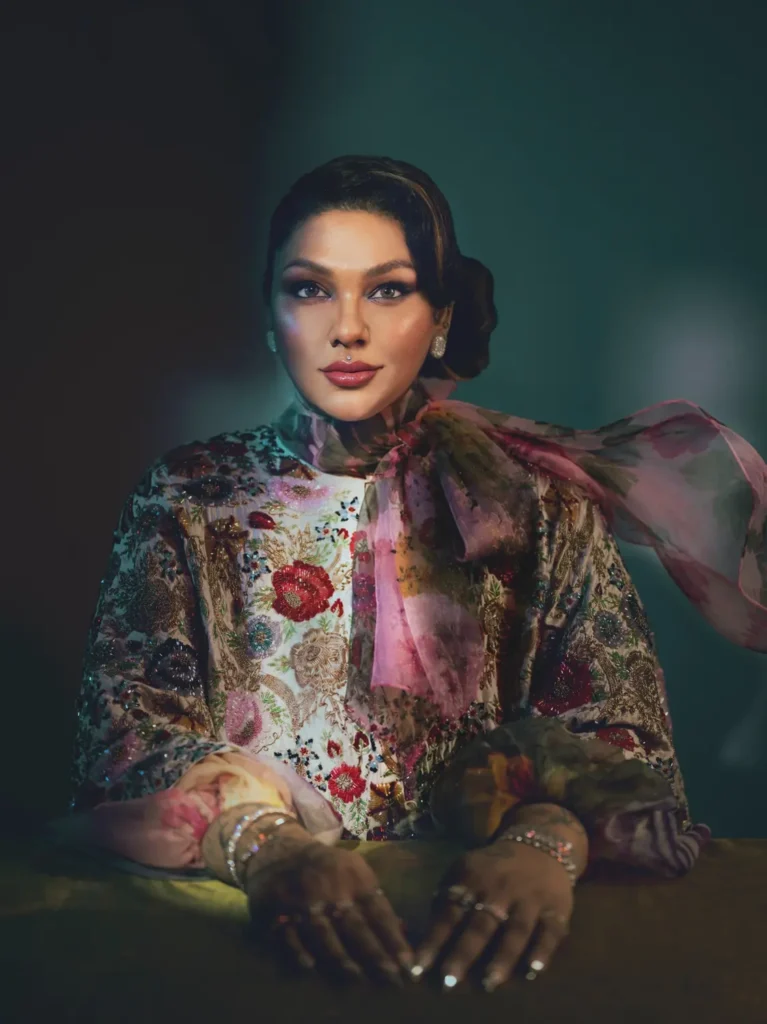
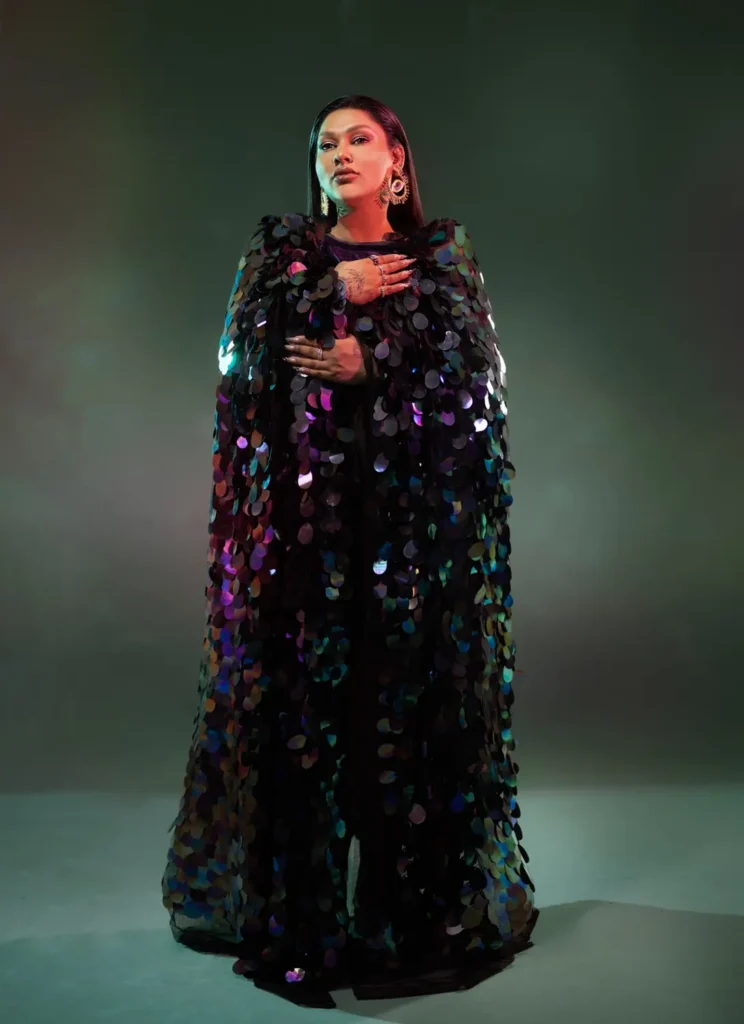
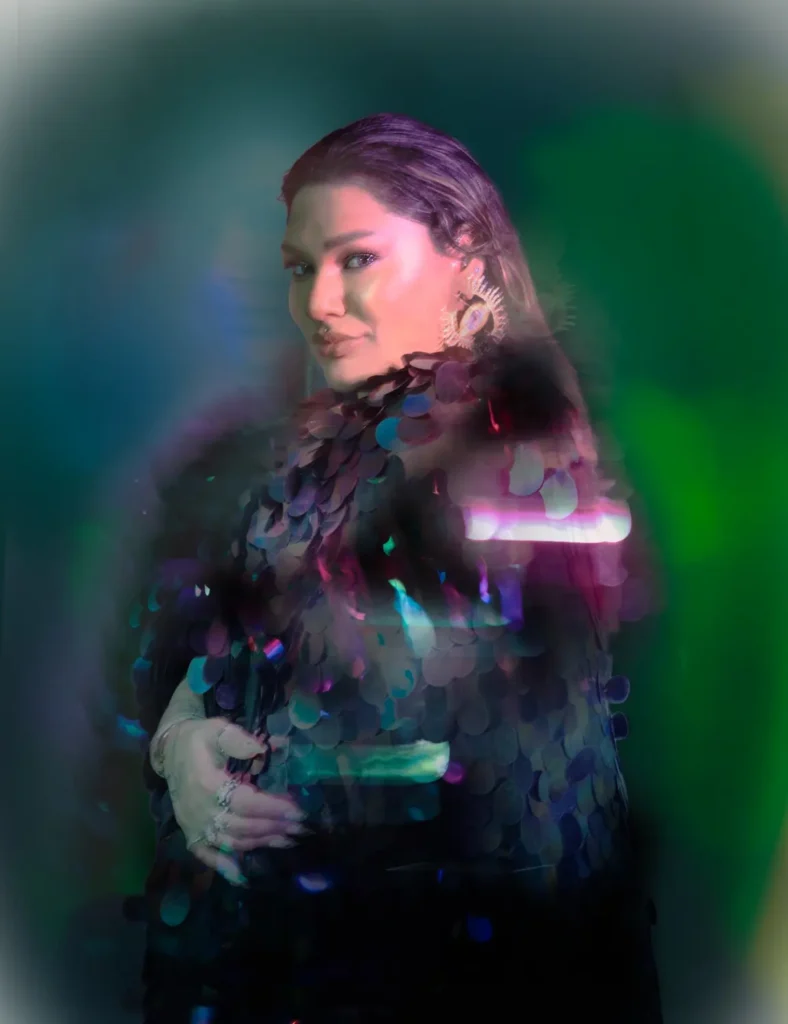
The ‘Queen’ of Bangladeshi Hip-Hop, Amzii Khan aka Amani Latif takes over the cover of our June 2026 issue—and what a sight she is.
Magnetic, fearless, and utterly enchanting, she brings the same energy to this cover that she pours into her lyrics, vocals, and performances. Every frame radiates confidence, charisma, and a touch of magic—just like the artist herself.
Wardrobe: Rina Latif
Makeup: Shohag
Hair: Sheuli
Photography: LenZKraft