



Beyond the Ballot: Returning Politics to the People Through Service
Returning public leadership to the people through service, accountability and meaningful participation By Dr. Nayan BangaleeAdvocate of Social Work-Based
Returning public leadership to the people through service, accountability and meaningful participation
By Dr. Nayan Bangalee
Advocate of Social Work-Based Politics and President of Bangaleer Patshala – School of Leadership
Politics should not begin with elections and end when the votes are counted. Its true purpose is to improve people’s lives through service, accountability and meaningful participation.
This belief forms the foundation of Social Work-Based Politics, a public leadership philosophy that places community service at the center of political action.
Politics Must Be More Than Promises
Traditional politics often becomes visible only during election periods. Candidates visit communities, listen to residents and make ambitious promises. Once the election is over, however, communication frequently becomes limited and many local concerns remain unresolved.
Social Work-Based Politics proposes a different approach. It asks political leaders and public representatives to remain actively involved with their communities regardless of whether they currently hold public office.
Leadership should be demonstrated through consistent action, not simply through speeches, slogans or campaigns.
Listening Before Leading
Communities understand their own challenges better than anyone else. Farmers, workers, students, educators, business owners, women and young people experience the consequences of public decisions every day. Their voices must therefore play a central role in shaping policies and development priorities.
Meaningful leadership begins by creating accessible spaces where people can speak openly about their needs. Community listening sessions, local forums and informal gatherings can help leaders understand problems directly instead of relying only on formal reports or political intermediaries.
Listening is not a ceremonial exercise. It must lead to documented concerns, responsible follow-up and practical action.
Service as a Continuous Responsibility
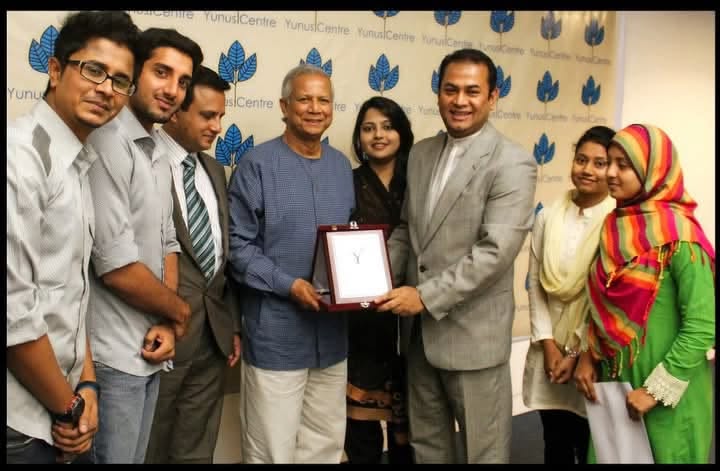
A political leader should remain committed to public service both inside and outside government. Many community problems do not require a national position or a large political office to begin addressing them.
- Education and leadership development
- Legal and social-service referrals
- Youth engagement and skills development
- Labor rights and worker welfare
- Community health awareness
- Support for vulnerable families
- Rural development and local entrepreneurship
These efforts cannot replace the responsibilities of government. They can, however, connect citizens with institutions, identify urgent needs and demonstrate what accountable leadership looks like in practice.
Developing the Next Generation of Leaders
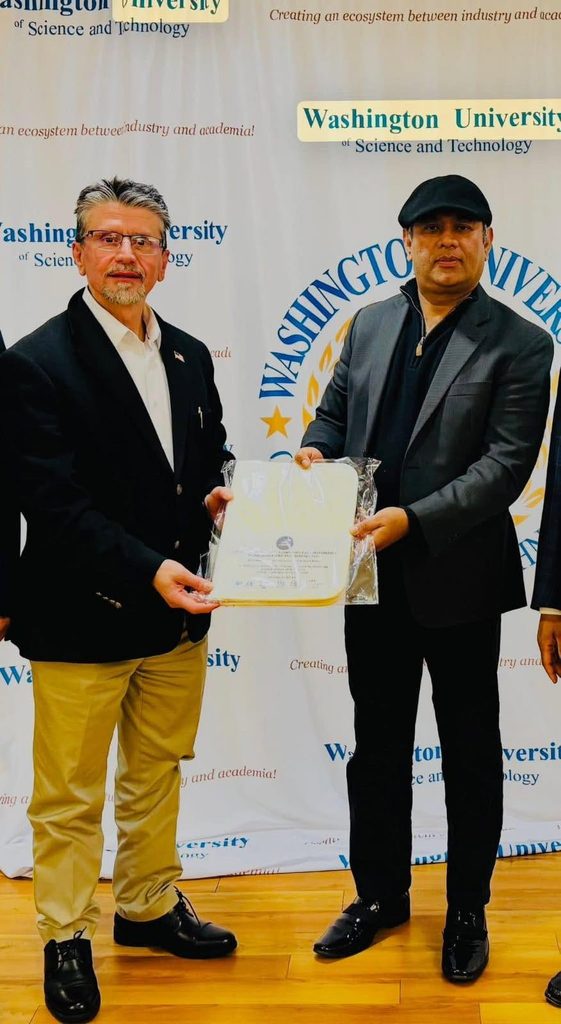
A healthy democracy requires more than a small group of established politicians. It needs informed, ethical and community-minded citizens who are prepared to lead.
Young people should have opportunities to learn about public policy, democratic participation, negotiation, community organizing and responsible decision-making. Leadership education should also emphasize empathy, integrity and the ability to work with people from different backgrounds.
The purpose is not merely to create more politicians. It is to develop capable citizens who can serve their communities in government, civil society, education, business and other areas of public life.
Building Trust Through Accountability
Public trust cannot be demanded; it must be earned.
Leaders can build credibility by communicating honestly, publishing clear priorities and reporting what has or has not been accomplished. When a promise cannot be fulfilled, people deserve a transparent explanation.
Social Work-Based Politics encourages measurable commitments. Communities should be able to see which issues were raised, what actions were taken, which institutions became involved and what outcomes followed.
Accountability transforms public service from a personal claim into something citizens can evaluate.
Connecting the Bangladeshi Diaspora
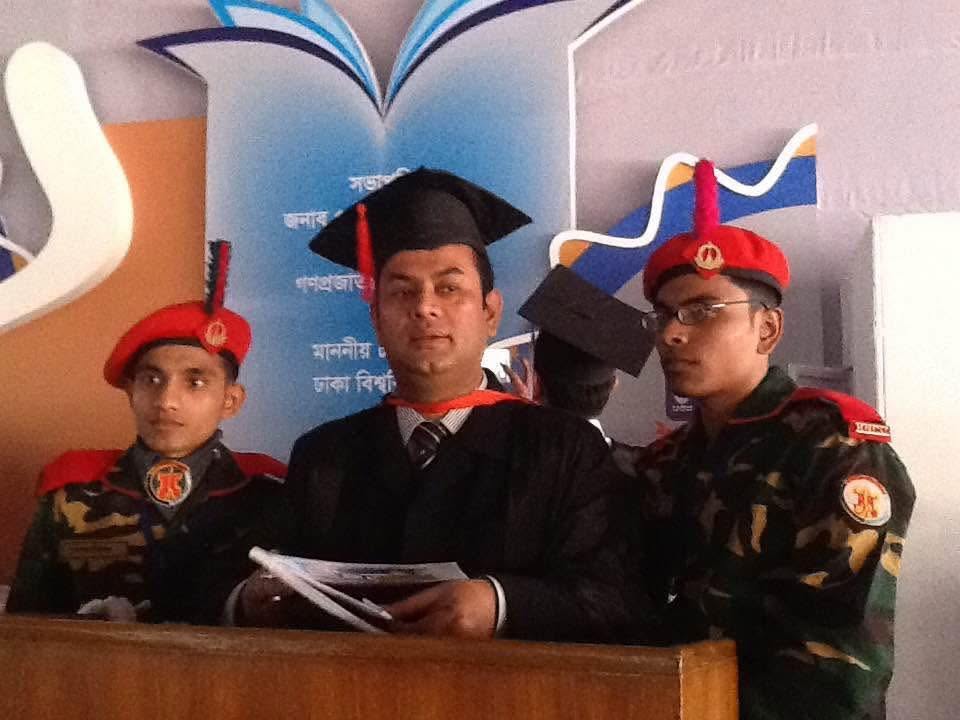
Bangladeshis living abroad possess valuable knowledge, professional experience and international networks. They can contribute to the country’s development through mentorship, education, investment, advocacy and knowledge exchange.
Diaspora engagement should not be limited to financial contributions. Professionals in law, technology, healthcare, education, business and public policy can help build sustainable partnerships with local communities and institutions.
Such cooperation must be transparent, respectful and based on the priorities of the people it is intended to serve.
A More Human Approach to Politics
Social Work-Based Politics is ultimately about restoring the human purpose of political leadership.
It envisions leaders who listen before making decisions, serve before seeking recognition and remain accountable after receiving public trust. It encourages citizens to participate not only as voters, but also as partners in shaping their communities.
Political progress cannot be measured only by who holds office. It must also be measured by whether people feel heard, whether institutions respond and whether communities become stronger.
The future of politics should be built through service, and service must begin with the people.
Photographs: Courtesy