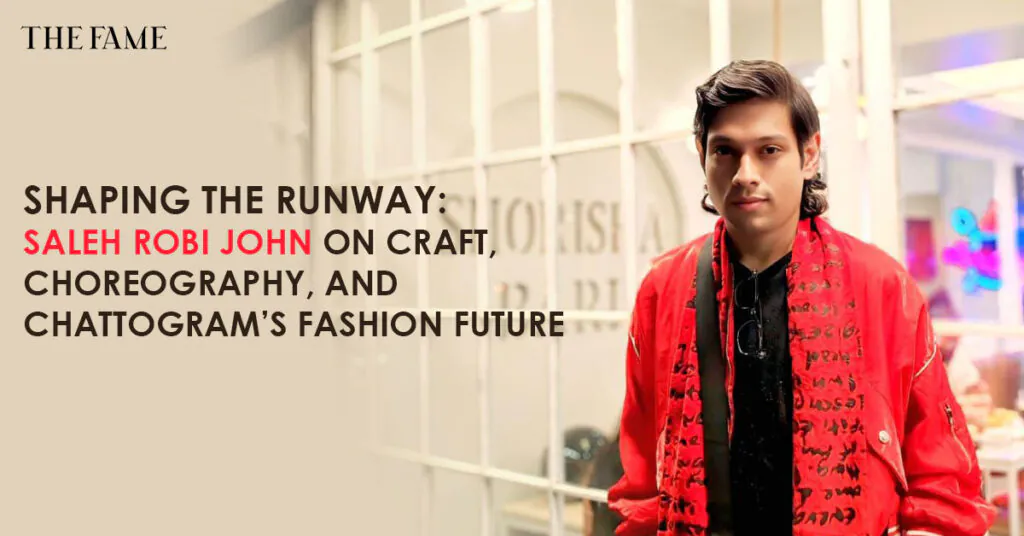
Fashion stylist and choreographer Saleh Robi John reflects on his evolution from an aspiring creative to a respected force in Bangladesh’s fashion industry. In this candid conversation, he speaks about the inspirations that shaped his path, unforgettable moments on the runway, his early faith in a new generation of models, and his vision for positioning Chattogram’s fashion scene alongside Dhaka’s vibrant industry.
Tell us about your journey as a fashion choreographer. When did you start? What inspired you to take up this profession?
My journey began in 2007, right after completing my postgraduate studies, when I stepped into the professional world as a fashion designer and fashion director. The path was far from easy. I had to struggle intensely, often working in a competitive environment filled with challenges and opposition. Yet those struggles shaped my resilience and strengthened my commitment to my craft.
Because of the quality and dedication I brought to my work, in 2015 I had the remarkable opportunity to collaborate with some of the most prominent fashion directors in the country on the same magazine project an achievement that remains deeply meaningful to me. The project was called Char Bela Char Dik, and it brought together celebrated names such as Shahrukh Amin, Gautam Saha, Mahmudul Hasan Mukul, and Bulbul Tumpa. Being part of that platform was truly a milestone in my career.
When it comes to inspiration, I must mention Love Bibi Apa, whose efforts to introduce Bangladeshi fashion to the global stage profoundly motivated me. Seeing her vision and dedication encouraged me to dream of establishing a brand identity of my own.
I learned the art of fashion direction under the guidance of my teacher, Emdad Hoque, and also gained invaluable insights from Shahrukh Amin. During my time working on Char Bela Char Dik, I developed skills beyond design—learning writing, editorial work, and the creative processes behind magazine production.
I was also fortunate to receive mentorship and inspiration from Bijli Hoque Apa and Gautam Saha Da. In particular, Gautam Saha has been an immensely inspirational figure in my life, someone whose guidance and influence have left a lasting mark on my creative journey.
You have worked with some of the biggest designers and top models. How was the experience? Any memorable incident?
Yes, I’ve worked with renowned designers such as Bibi Russell, Emdad Hoque, Rina Latif, Humaira Khan, and Anila Hoque. I have also collaborated with several prominent Indian designers, including Debarun and Komal Sood.
I’ve had the opportunity to work with supermodels such as Nayanika Chatterjee, Mohammad Iqbal, and Ushoshi Sengupta. I’ve also worked with celebrated figures like Shabnaz Emi, Asif, and Azim. Everyone has shown me a great deal of respect more than I expected which feels like an extra blessing.
One of the most memorable moments of my life happened during my graduation show as a fashion designer. I had hired a model for the show, but unfortunately she couldn’t make it that day. At the time, the choreographer of my show was the supermodel Nayanika Chatterjee.
In that unexpected situation, she wore my outfit herself and walked the ramp for my show. It was an incredible moment for me receiving such support in a difficult situation felt like a huge achievement.
Later, I also walked the ramp holding her hand, which made the moment even more special and unforgettable.
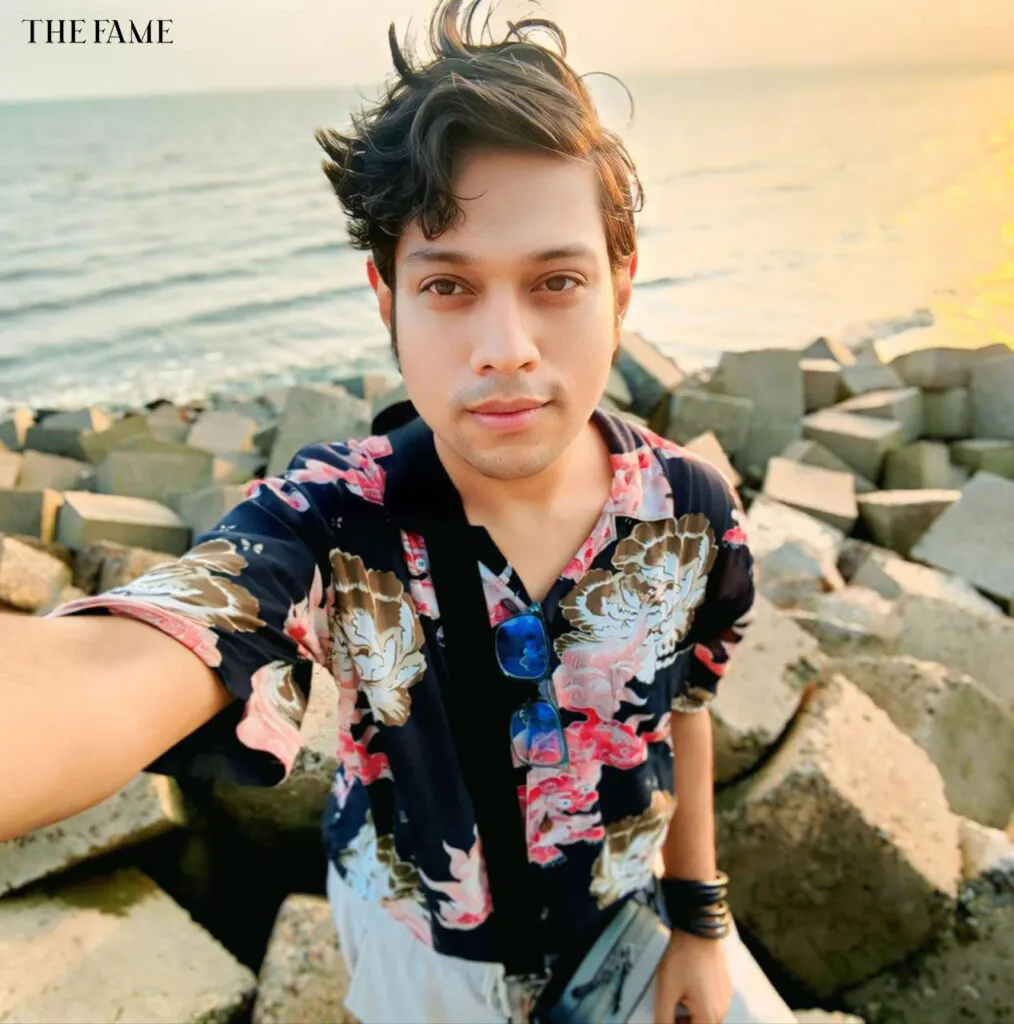
What do you think about the new models?
I was among the first to start working with Gen Z models. In the beginning, many people used to say, “They’re too skinny, too lean they don’t quite fit the mold.” But look at them today: Ahnaf, Naif, Azraf, Zarif, and Arham are now in excellent positions in the industry. They’re the ones walking for top brands and major shows.
In a way, I can confidently say that by working with talents like them early on, I helped set a trend spotting potential before the world caught on and contributing to a new wave in modeling.
What do you think about the fashion scene in Chattogram?
The markets of Dhaka and Chattogram are not exactly the same. Chattogram’s fashion market is relatively smaller. Although Dhaka has many more designers and brands, only a limited number truly maintain consistently high quality.
Since I work in both Dhaka and Chattogram simultaneously, I would say Dhaka is about 75 percent ahead in terms of progress and opportunities.
That said, around 25 percent of the work coming out of Chattogram can stand on equal footing with Dhaka matching its standards of creativity and quality.
Which are the most prominent designer boutiques in Chattogram?
Among the very best, Farzana Malik stands out. She brings 27 years of experience and has worked both in Bangladesh and internationally.
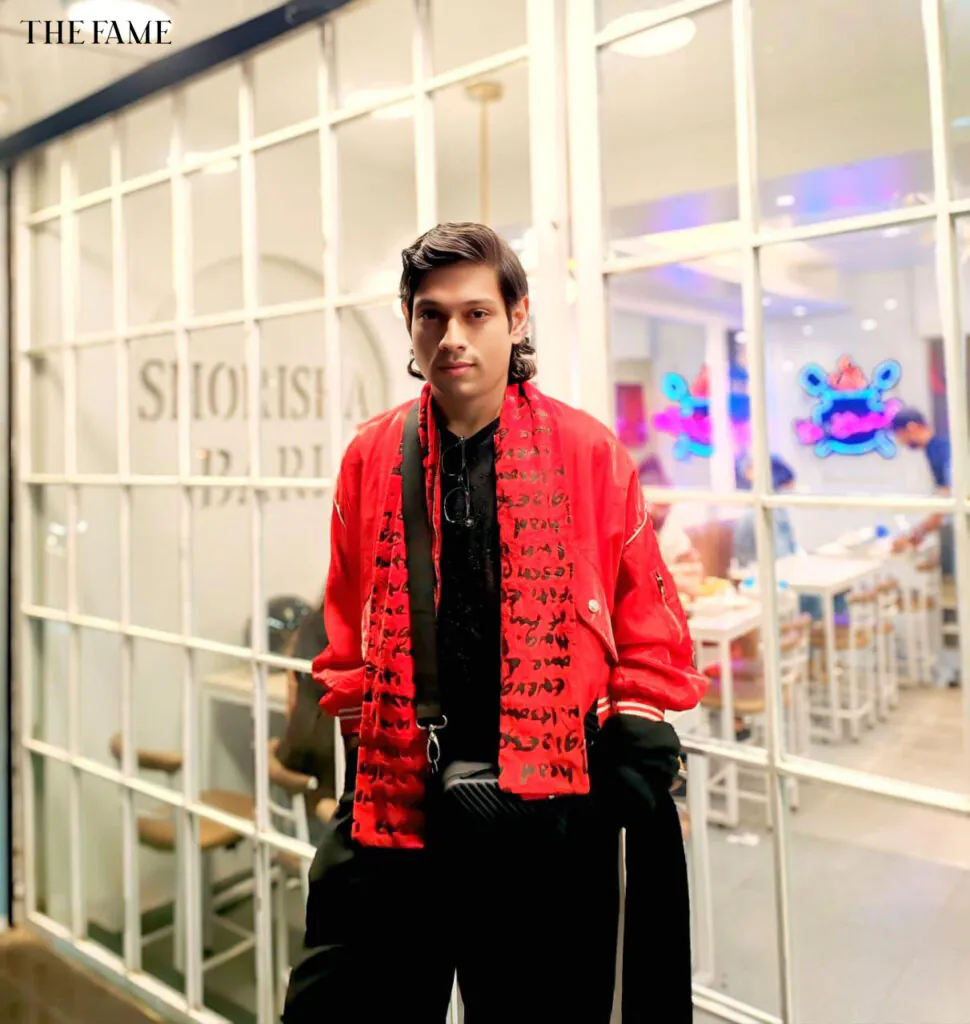
Nasrin Sarwar Meghla Apa does remarkable screen-printing work with great finesse.
Kristi Apa is exceptionally skilled in kantha craftsmanship, creating beautiful and intricate pieces.
When it comes to gamcha-based designs, Rosy Apa does outstanding work.
Ivy Apa is known for her stunning hand-painted creations, full of creativity and artistic flair.
Rowshan Apa also does excellent work centered around national days, creating designs that beautifully capture the spirit of those occasions.
There are, of course, many others doing wonderful work as well.
How can we connect Chattogram’s fashion scene with that of Dhaka?
Dhaka is a large market, while Chattogram is more of a niche market. Naturally, there are clear differences between the two.
In Dhaka, if we talk about the very best fashion designers, the number would be around 15. In Chattogram, there are about eight designers who can be considered among the best. So in terms of numbers, Chattogram is slightly behind.
However, since Dhaka is a much larger city, the number of top designers there could certainly be even higher.
Chattogram is also a major city, but among the elite society, many people prefer wearing clothes from international designers. This preference also shapes the dynamics of the local fashion market.
What is your fashion statement?
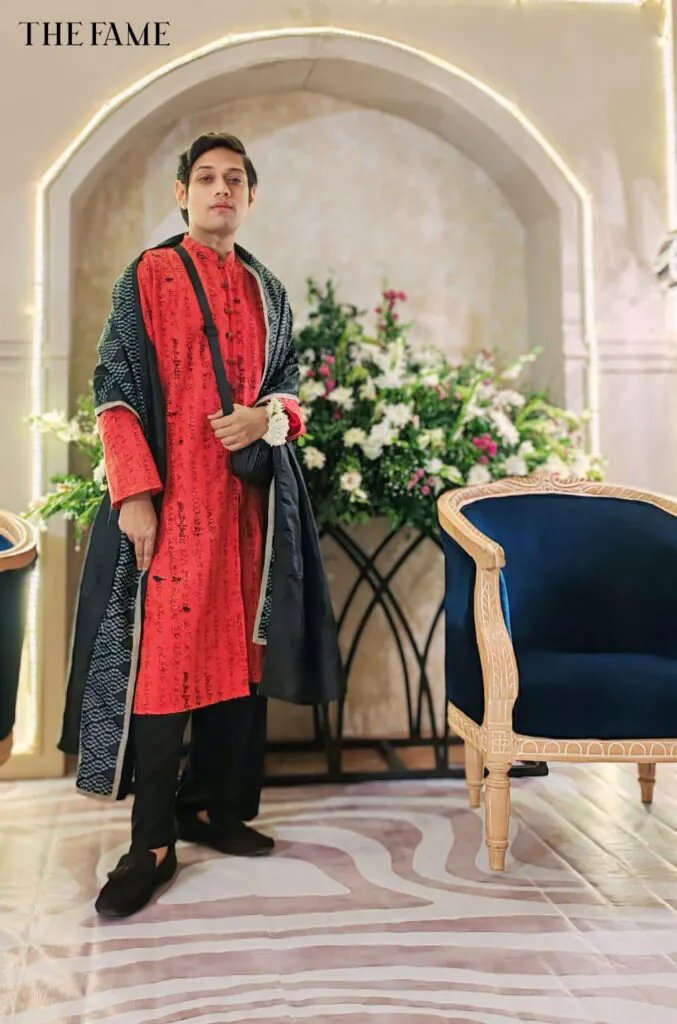
My fashion sense is rooted in the idea of “simple living, high thinking.” I believe in wearing well-polished, refined clothing and, most importantly, presenting yourself with confidence.
The designers and fashion houses I admire include Dolce & Gabbana, Roberto Cavalli, Sabyasachi Mukherjee, Bibi Russell, Zuhair Murad, and Faraz Manan all of whom inspire me with their distinctive style and creative vision.
Photographs- Courtesy