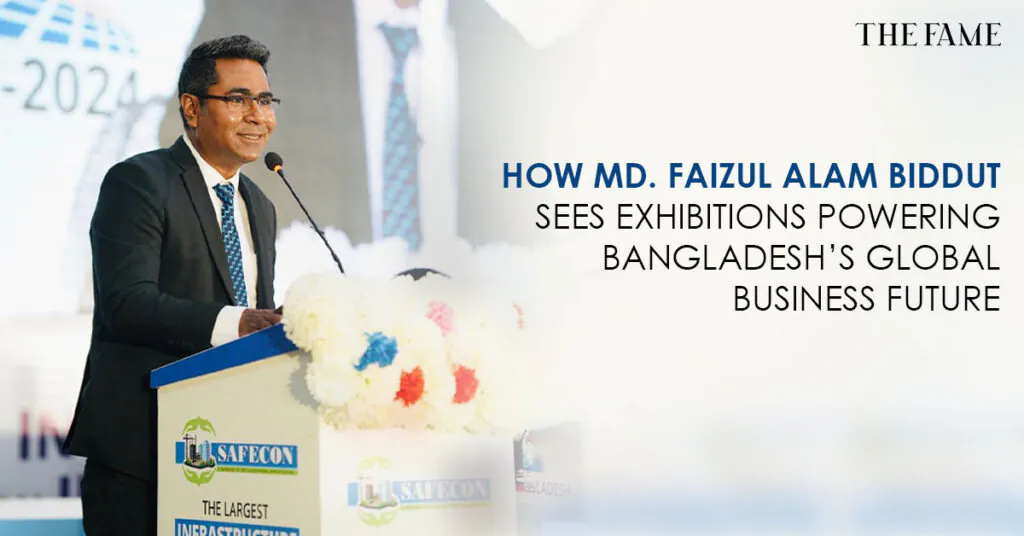
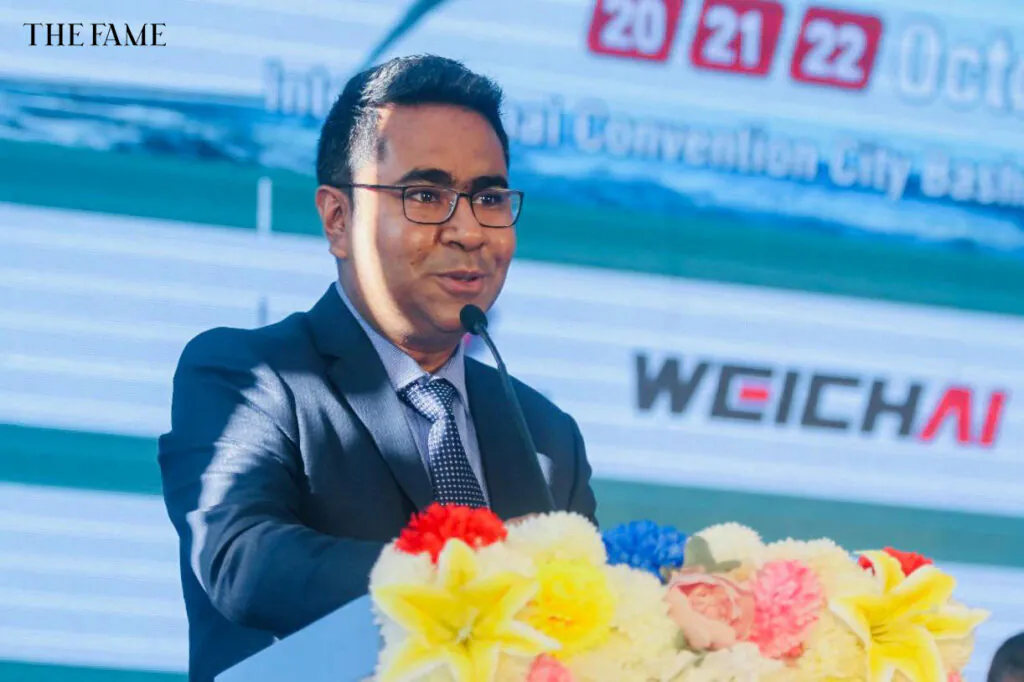
In a rapidly shifting global economy marked by inflation, geopolitical uncertainty, and disrupted supply chains, international trade platforms have become more critical than ever. Few people understand this dynamic as closely as Md. Faizul Alam Biddut, the Managing Director of Savor International Limited.
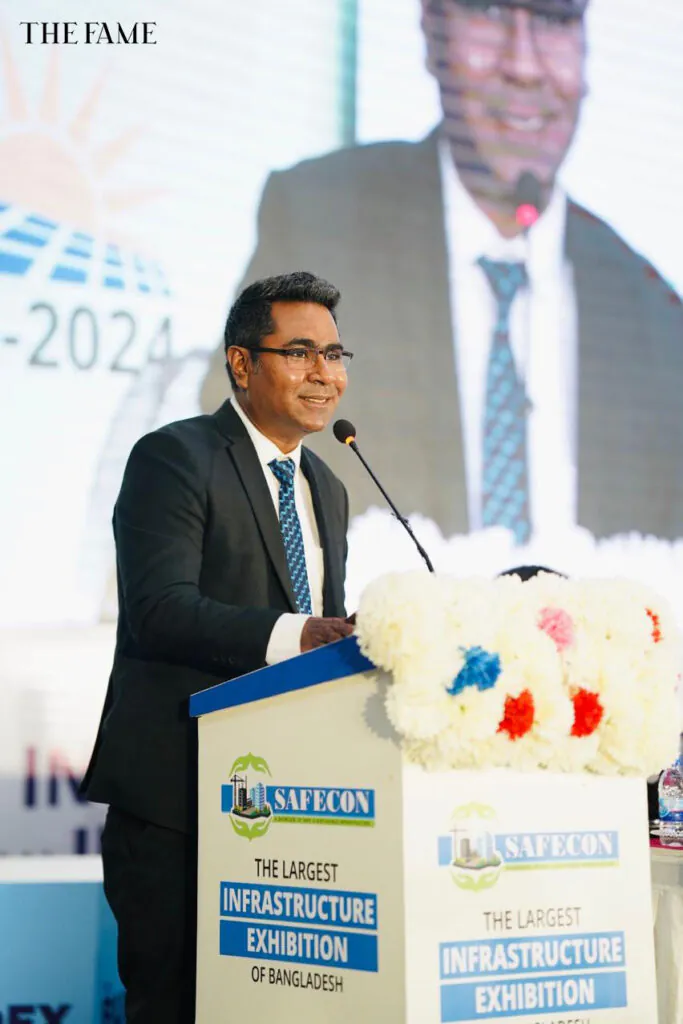
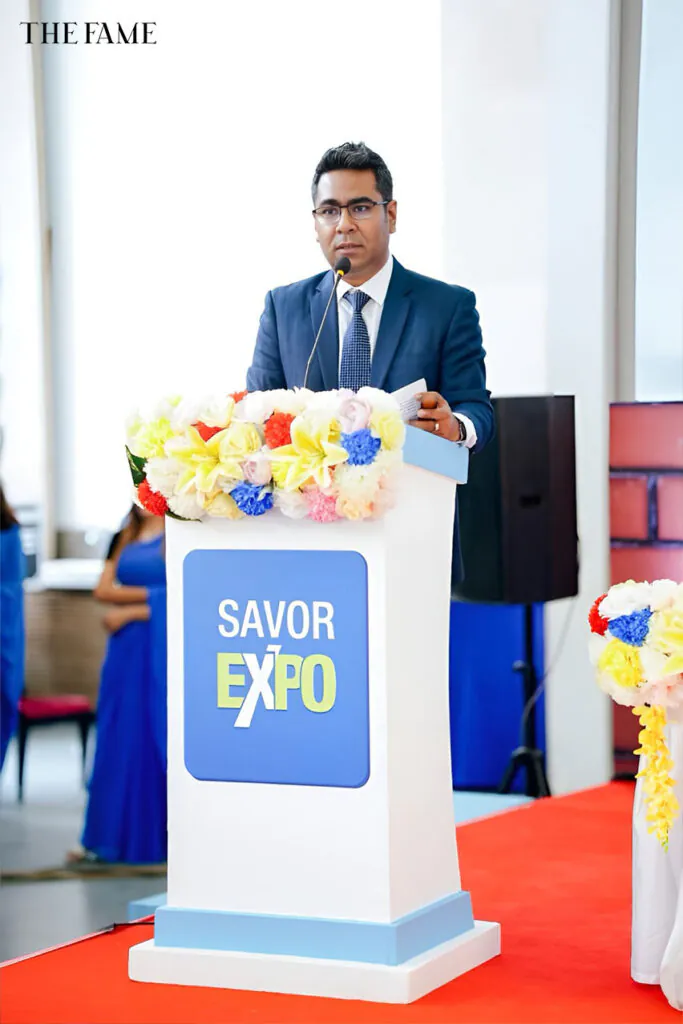
Under his leadership, Savor International has become one of Bangladesh’s prominent exhibition organizers, creating large-scale industry platforms that connect global suppliers, investors, policymakers, and local businesses. The company organizes sector-focused exhibitions across construction, renewable energy, infrastructure, and manufacturing—bringing together domestic and international stakeholders to foster trade and technology exchange.
Faizul has been actively involved in building international collaborations, including initiatives such as the Bangladesh-China Green Textile Expo, which aims to strengthen bilateral industry ties and promote sustainable technologies in Bangladesh’s textile sector.
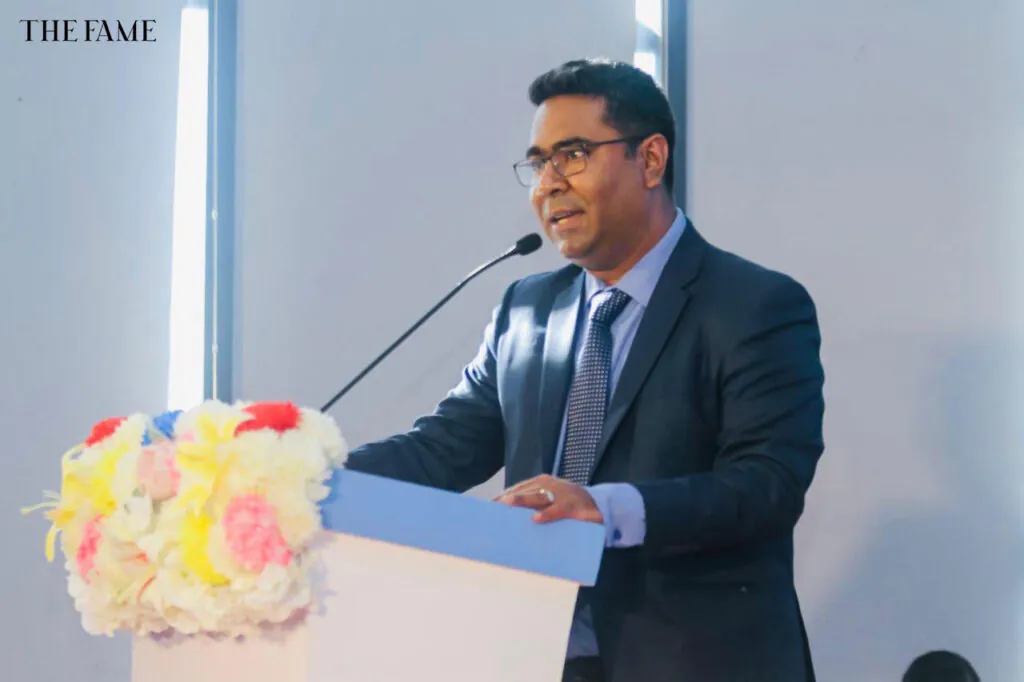
Recognized for innovation in the trade show industry, Savor International was awarded the Global Brands TRUB Business Award 2023 for being one of the most innovative international trade show organizers in Bangladesh.
In this conversation, Faizul shares his perspective on how trade exhibitions can help Bangladesh navigate economic challenges, attract foreign investment, and accelerate technology adoption in emerging sectors from renewable energy and electric vehicles to advanced manufacturing.
Q: Bangladesh is currently facing economic pressures including inflation, currency volatility, and trade constraints. How do you see international trade exhibitions helping businesses navigate these challenges?
Md. Faizul Alam Biddut:
Bangladesh is definitely facing economic pressure whether it is inflation, currency volatility, or other constraints. In this context, trade exhibitions become extremely important because they create a platform where companies from many countries bring their products, technologies, and solutions.
When businesses have more options for sourcing products, it naturally creates a fairer marketplace. For example, if an exhibition brings suppliers from 15 or 16 different countries, buyers can compare technologies, prices, and quality. This reduces the chances of monopolistic pricing and helps businesses source products at more competitive values.
If machinery costs or raw material prices come down through this competition, it ultimately impacts the entire supply chain and can help reduce inflationary pressure.
Trade exhibitions are also critical for investment. When international exhibitors come to Bangladesh, they often start by looking for distributors or channel partners. Over time, they may consider establishing manufacturing operations here. Bangladesh is attractive because of our relatively low labor costs and investor-friendly policies. In many cases, foreign investors can even establish fully owned subsidiaries.
If exhibitions help bring these investors into the country, it will increase foreign direct investment, which ultimately strengthens the economy.
Q: In times of economic uncertainty, companies often reduce marketing and international engagement. How can exhibitions organized by Savor International Limited help sustain business growth during such periods?
Md. Faizul Alam Biddut:
The global economy has been under pressure for several years now—first the pandemic, then geopolitical conflicts and economic instability. In such times many companies reduce marketing costs, but in my opinion that is not always the right solution.
Companies still have business targets to achieve. For B2B industries, exhibitions should actually be the number one marketing platform.
Traditional advertising reaches a broad audience but often not the right audience. If you place a newspaper advertisement, millions may see it but only a very small fraction may actually be potential buyers.
Exhibitions are different. They bring together the exact industry stakeholders—buyers, sellers, suppliers, and decision-makers. Companies can demonstrate their products, discuss solutions, and build direct business relationships.
For international companies entering Bangladesh, exhibitions are also the most efficient approach. Instead of visiting the country multiple times to meet potential clients individually, they can meet the entire industry in one place. That makes exhibitions one of the most cost-effective business development tools.
Q: As a strong member of the China-Bangladesh business ecosystem, how do you assess the current state of economic cooperation between Bangladesh and China?
Md. Faizul Alam Biddut:
Bangladesh–China economic relations are growing stronger every year. China is currently one of the most important development partners for Bangladesh.
Our bilateral trade volume is around $24 billion, but the challenge is that the majority of it—over $23 billion—is imports from China. Our exports to China remain relatively small.
However, there are significant opportunities ahead. The Chinese government has provided duty-free access for many Bangladeshi products, which opens doors for our exporters.
Beyond trade, there are also strong opportunities in public-private partnerships, infrastructure development, and manufacturing. China is currently diversifying labor-intensive manufacturing to other countries, including Vietnam, Cambodia, Sri Lanka, and Pakistan.
Bangladesh is a very attractive destination because of our workforce, infrastructure development, and growing industrial ecosystem. With the right partnerships, we can benefit greatly from this shift.
Q: Do you believe stronger exhibition platforms can attract more Chinese investment and technology transfer to Bangladesh?
Md. Faizul Alam Biddut:
Absolutely. Exhibitions are part of what we call the MICE industry—Meetings, Incentives, Conferences, and Exhibitions. This sector is essentially business tourism.
In exhibitions, there are different layers of participants: exhibitors, visitors, and investors. Many companies initially participate to explore trade opportunities, but later they consider manufacturing or direct investment.
In this way, exhibitions become a gateway for investment.
Organizations such as BIDA, BEPZA, and BEZA are increasingly working with exhibition organizers to promote Bangladesh as an investment destination. These platforms allow investors to directly explore the market, meet industry players, and understand opportunities.
Q: In the current economic climate, which sectors in Bangladesh have the greatest potential to benefit from international exhibitions?
Md. Faizul Alam Biddut:
Almost every industry has potential, but the key focus should be energy efficiency.
If you save one watt of electricity, it means you don’t have to generate one watt of power. That also means fewer power plants and less environmental impact. Energy-efficient technology should be integrated across sectors—from construction materials to home appliances.
Renewable energy is another major opportunity. Solar energy in particular has huge potential in Bangladesh, especially for industrial rooftop installations and small-scale projects.
Electric vehicles are also a rapidly emerging sector. Bangladesh already has millions of informal electric vehicles on the streets. If these transition to safer and more efficient battery technologies, it could transform urban mobility.
Globally recognized EV brands and technologies are becoming increasingly relevant for Bangladesh as the country explores sustainable transportation solutions.
Q: What challenges are exhibition organizers facing in Bangladesh today?
Md. Faizul Alam Biddut:
One of the biggest challenges is policy support.
When we organize international exhibitions, we bring foreign exhibitors who spend money in Bangladesh and bring foreign currency into the economy. In many ways, this is similar to exporting services.
However, exhibition organizers do not receive export incentives, and in some cases we face high VAT on foreign currency earnings. If these policies were revised, the exhibition industry could grow much faster.
Another challenge is international buyer participation. Exhibitions are successful when both sellers and buyers attend. While we have strong international exhibitors, bringing buyers from overseas requires government support.
Countries like Thailand and Sri Lanka have much simpler processes for organizing international exhibitions. If Bangladesh streamlines approvals and policies, our exhibition industry can grow significantly.
Q: How important are bilateral chambers and business networks in strengthening Bangladesh’s trade resilience?
Md. Faizul Alam Biddut:
Bilateral chambers play a very important role because they connect businesses from two countries under one platform.
They help identify SMEs, facilitate partnerships, and provide a bridge between governments and private businesses. Many trade negotiations, policy discussions, and industry collaborations happen through these platforms.
Embassies also work closely with these chambers, which helps strengthen business diplomacy. Together they create an ecosystem that supports trade, investment, and business development.
Q: Looking ahead, what is your vision for Bangladesh’s exhibition industry over the next decade?
Md. Faizul Alam Biddut:
My dream is to see Bangladesh hosting more international exhibitions across diverse sectors.
Bangladesh has already proven its strength in industries like textiles. But we also have tremendous potential in emerging fields such as robotics, artificial intelligence, renewable energy, and advanced manufacturing.
We have talented people and a growing economy. If we develop stronger international exhibitions and collaborate with global organizers, Bangladesh can become a major trade and innovation hub in the region.
Exhibitions are not just events they are platforms for ideas, technologies, and partnerships that can shape the future of industries.
Photographs- Courtesy