What started as a simple cup of coffee has grown into a cultural phenomenon driving millions in revenue worldwide. In Bangladesh, local cafés are creating a unique ecosystem where lifestyle, entrepreneurship, and community converge. The country’s coffee culture is no longer just about beverages it has become a thriving business and social space.
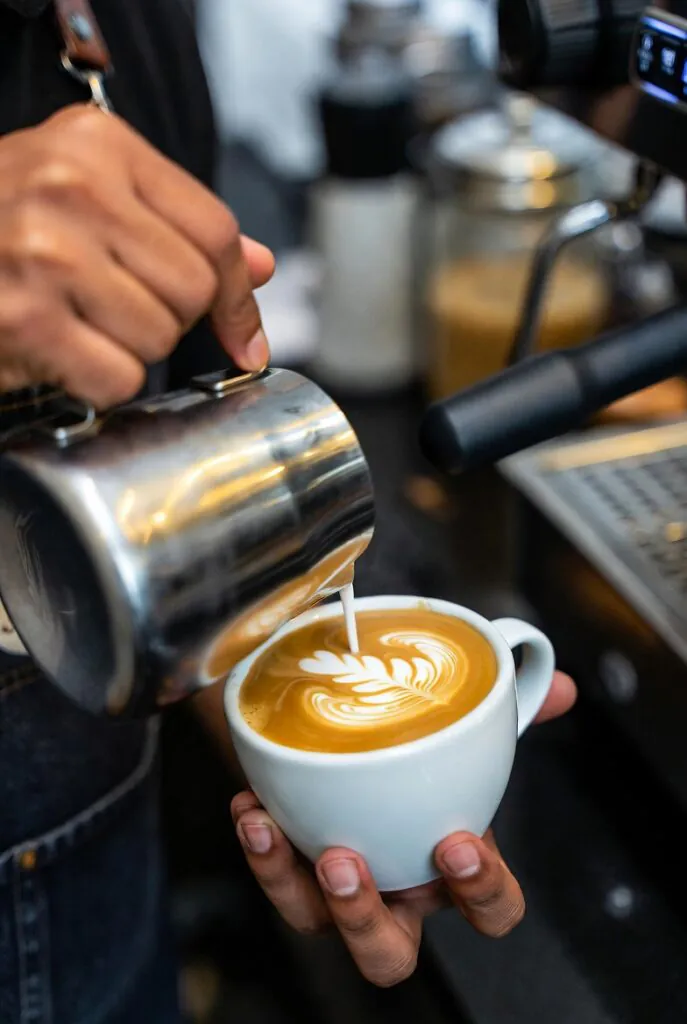
On a bustling afternoon in Dhaka’s Banani neighborhood, the aroma of freshly brewed coffee fills the air. Young professionals tap away on laptops, friends gather around rustic wooden tables, and baristas carefully craft lattes with intricate foam art. Outside, delivery riders weave through traffic, collecting orders placed through mobile apps. A simple cup of coffee has become the center of an entire micro-economy, blending lifestyle, technology, and entrepreneurship in a way that few other products can.
Cafés are no longer just places to drink coffee they have evolved into cultural hubs, business spaces, and incubators of creativity. Urban Bangladesh is witnessing a café boom, where students, freelancers, startup founders, and lifestyle-conscious consumers all converge. The business model is simple but effective: combine premium beverages with a carefully curated space, and people are willing to pay for the experience as much as for the product itself.
The Economics Behind the Cup
The global coffee market reached $502.7 billion in 2023 and continues to grow steadily. (statista.com) In Bangladesh, the café industry has experienced rapid expansion over the past five years, fueled by rising urban incomes and a young, mobile-first population. Local chains like North End Coffee Roasters, Coffee World, Jars Coffee, and Cuppa Coffee Club have transformed city streets into lifestyle corridors where coffee is part of a broader urban experience. Analysts estimate the specialty coffee market in Dhaka alone generates over $120 million annually.
Beyond revenue, cafés have created employment for baristas, managers, delivery riders, and supply chain staff. They also support businesses selling imported beans, brewing equipment, pastries, and artisanal snacks. Additionally, cafés have become stages for social media content, networking events, and cultural activities, amplifying their economic impact far beyond the price of a cup.
Case Study: North End Coffee Roasters
Founded in Dhaka in 2013, North End Coffee Roasters began as a small specialty café catering to coffee enthusiasts. The founders emphasized quality beans, precise roasting techniques, and customer education. They organized workshops, tasting events, and collaborations with local artists, turning their cafés into hubs for creativity and community engagement.
By 2022, North End had expanded to seven outlets across Dhaka, generating revenue exceeding $4 million annually. Their success demonstrates a key lesson for lifestyle entrepreneurs: customer experience and community-building often drive loyalty more than the product itself. The café becomes a destination, not just a shop.
Specialty Coffee and Lifestyle Branding
Specialty coffee has transformed consumer expectations. Customers no longer settle for instant coffee they seek high-quality beans, artisanal brewing, and a curated environment. Local cafés focus on ambience, storytelling, and personalized service, appealing to a generation that values experience alongside consumption.
Barista culture plays a central role. Skilled baristas who understand brewing techniques, bean origins, and latte art help establish credibility and trust with customers. Many consumers willingly pay three to four times the cost of a standard coffee for premium offerings and a memorable experience. This dynamic underlines an important insight: in lifestyle businesses, identity and belonging often matter as much as the product.
Digital Integration: Apps, Deliveries, and Social Commerce
Technology has accelerated the café boom in Bangladesh. Mobile ordering, delivery apps, and loyalty programs have made cafés accessible to busy customers. Local chains such as The Daily Coffee Co. and Jars Coffee integrate QR payments, online reservations, and app-based loyalty points, blending convenience with a premium experience.
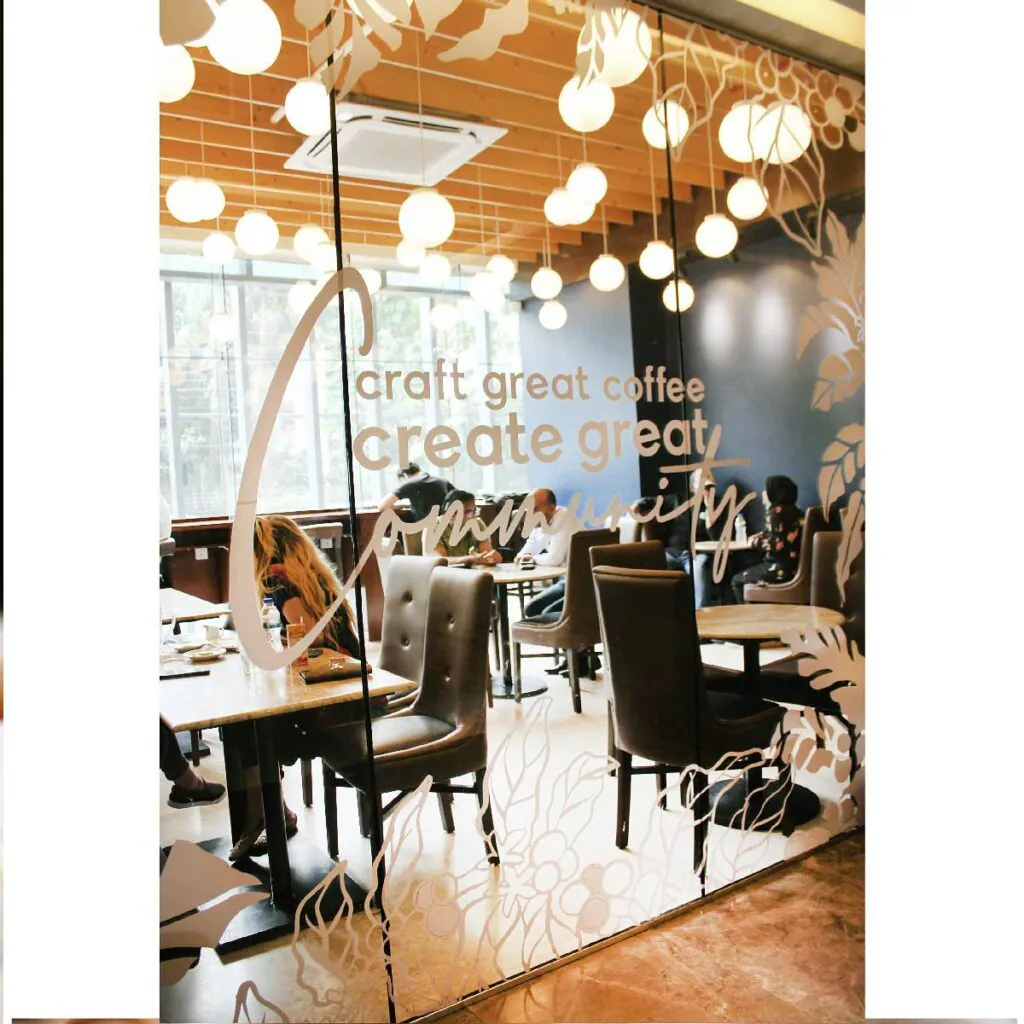
Social media amplifies the trend. Instagram-worthy interiors, aesthetically designed drinks, and curated food photography create organic marketing and encourage brand engagement. Cafés have become spaces where digital and physical experiences intersect seamlessly, turning coffee into a lifestyle product.
Cafés as Startup Ecosystems
Interestingly, cafés often double as informal startup hubs. Freelancers, remote workers, and entrepreneurs frequently hold meetings, pitch sessions, and collaborative work in café spaces. Investors and mentors occasionally spot new business ideas over coffee. In this sense, cafés are production spaces for ideas, blending culture, commerce, and innovation.
In Dhaka, the trend is growing rapidly. Young founders and freelancers treat cafés as extensions of their workspace, blending lifestyle with professional activity. The local coffee scene is thus contributing indirectly to the city’s broader entrepreneurial ecosystem.
The Road Ahead for the Coffee Economy
Bangladesh’s café economy is poised for further growth. Analysts forecast the market could surpass $200 million by 2030, supported by urbanization, rising disposable incomes, and the expansion of premium and specialty offerings. For café owners and entrepreneurs, the challenge will be scaling while maintaining quality, community engagement, and a sense of authenticity.
Ultimately, the coffee economy tells a story of transformation. A simple beverage has become a vehicle for social interaction, business, and culture. Every cup served in Dhaka reflects a network of ideas, commerce, and connection, turning everyday coffee drinking into a thriving industry and a vibrant cultural phenomenon.