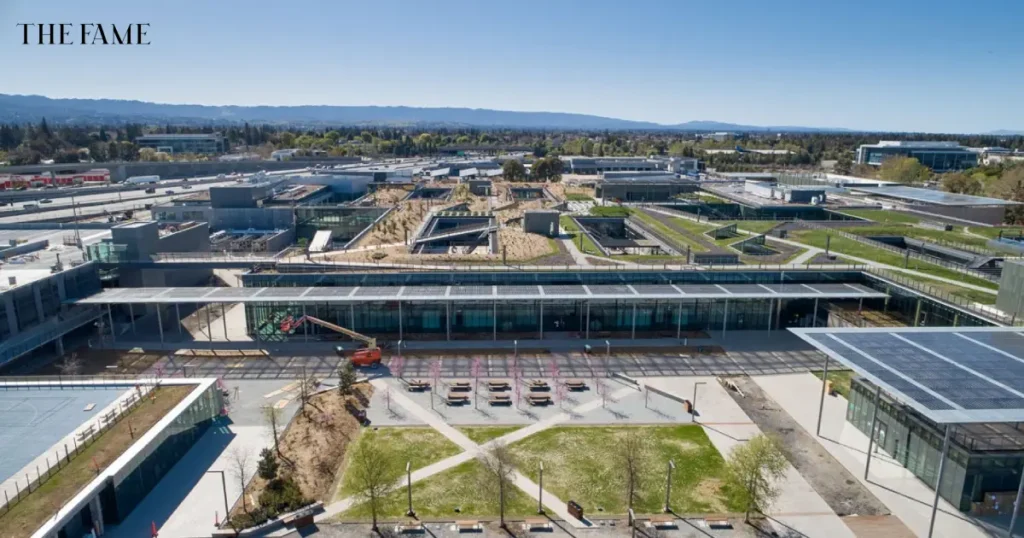
Silicon Valley did not become the world’s startup capital overnight. It grew through bold experimentation, risk-taking investors, and founders who focused relentlessly on solving real problems. For Dhaka’s young entrepreneurs, the Valley’s history offers practical lessons on building companies that can survive beyond the hype.
In the early days of Apple, the company operated from a small garage in California. Steve Jobs and Steve Wozniak were not trying to build a trillion-dollar corporation; they were simply obsessed with creating computers people could actually use at home. What started as a hobby project eventually became one of the most influential technology companies in the world, but the real lesson lies in the early mindset: start small, solve a real problem, and refine relentlessly.
That story has become part of startup folklore, but the principles behind it remain relevant today. Silicon Valley thrives because founders are encouraged to experiment quickly, fail often, and try again. For entrepreneurs in Dhaka, where the ecosystem is still evolving, these lessons are particularly valuable.
A Growing but Fragile Startup Ecosystem
Over the past decade, Bangladesh has seen a surge in entrepreneurial activity. The country now has more than 1,200 active startups, collectively raising nearly $1 billion in funding over the years.
Yet the ecosystem remains fragile. Startup funding fell to around $41 million in 2024, a six-year low and a sharp decline from previous years.
Even when investment rebounds, it is often concentrated in a few large deals rather than spread across many companies. In 2025, startups raised $124 million, but nearly 89% of that amount came from a single merger involving the Bangladeshi B2B platform ShopUp and Saudi firm Sary.
These numbers reveal a clear challenge: Dhaka’s founders must build companies that can survive beyond funding cycles.
Lesson 1: Solve a Real Problem
One reason Silicon Valley startups succeed is their obsession with solving real-world problems.
Consider Airbnb. When founders Brian Chesky and Joe Gebbia struggled to pay rent in San Francisco, they rented air mattresses in their apartment to conference visitors. That simple experiment eventually evolved into a global platform now operating in more than 190 countries.
The founders did not begin with a complex business plan or a massive investment. They began with a practical problem: travelers needed affordable accommodation during crowded events.
Dhaka entrepreneurs can apply the same logic. The most successful Bangladeshi startups, such as bKash, succeeded because they solved everyday problems making digital payments accessible to millions of people without traditional bank accounts.
Lesson 2: Focus on Product Before Funding
In Silicon Valley, investors often repeat a simple mantra: “Build something people want.”
Companies like Dropbox became famous for validating their product before even launching it fully. Founder Drew Houston created a simple demo video explaining how the file-sharing service would work. The video went viral among tech communities and generated thousands of early sign-ups before the product was complete.
The message was clear. If users genuinely want a product, investors will eventually follow.
In Bangladesh, some ecosystem observers argue that startups sometimes prioritize fundraising over product development. A sustainable startup culture requires the opposite approach: build a product that solves a clear problem, then scale gradually.
Lesson 3: Build Global Thinking from Day One
Silicon Valley companies often design their products for global markets from the start.
Take Stripe, the payments company founded by Patrick Collison and John Collison. The founders realized early that online businesses around the world struggled to integrate payments into their websites. Stripe built a simple developer-friendly tool that could work internationally, allowing the company to scale rapidly across continents.
Dhaka startups often focus primarily on the domestic market. While Bangladesh itself is a large and growing economy, building products that can expand into South Asia, the Middle East, or Southeast Asia can dramatically increase growth potential.
Lesson 4: Embrace Failure as Part of the Process
Silicon Valley’s culture treats failure differently from many other business environments. Founders who fail at one startup often receive support to try again.
The founders of LinkedIn, including Reid Hoffman, often speak about earlier projects that did not succeed. Instead of being seen as career-ending mistakes, these failures became learning experiences that helped shape better companies later.
In emerging ecosystems like Dhaka’s, failure can still carry social stigma. Yet innovation rarely happens without experimentation, and experimentation inevitably involves mistakes.
Lesson 5: Ecosystems Matter
Silicon Valley’s greatest strength may not be its companies but its ecosystem. Venture capital firms, universities like Stanford University, experienced mentors, and serial entrepreneurs all contribute to a cycle of innovation.
The United States still attracts a significant share of global venture capital funding, with a large portion concentrated in Silicon Valley. This dense network of investors, engineers, and founders makes it easier for startups to scale quickly and learn from one another.
Dhaka’s ecosystem is still developing, but the ingredients are gradually forming. Accelerators, venture funds, and government initiatives are slowly building the support structure young companies need.

The Road Ahead for Dhaka’s Founders
Despite funding challenges, Bangladesh’s startup landscape has expanded dramatically in the past decade. Entrepreneurs are launching companies across sectors ranging from fintech and logistics to education and agriculture.
The lesson from Silicon Valley is not that every startup must become a global giant. Rather, it shows that sustained innovation emerges when founders focus on solving real problems, building strong products, and learning from failure.
For Dhaka’s next generation of entrepreneurs, the opportunity is clear. The city may never look like Silicon Valley, but its startups can still adopt the mindset that made the Valley famous: bold ideas, relentless experimentation, and the courage to build something new.