Mazed Haque, popularly known as Maxmazed in the indie-pop music scene, shared with Fame Magazine his reflections on visiting Japan for the first time. Through the eyes of a musician, he writes about navigating Tokyo, absorbing its discipline and beauty, and discovering how a country can quietly reshape the way you see the world.
Visiting Japan for the first time feels like stepping into a world that runs on its own quiet rhythm. Everything moves with precision, grace, and an almost poetic sense of order. It was my first time here—and strangely, it felt endless. Not because time stretched, but because every moment seemed to open into something deeper, richer, more layered.
My journey began at Narita Airport, where reality set in the moment I switched on my mobile internet. In Japan, connectivity isn’t a luxury—it’s survival. Without it, navigating trains, streets, and schedules can feel daunting for a first-time traveler. The airport bus was smooth and efficient, but the real initiation came when I stepped into Tokyo’s metro system.
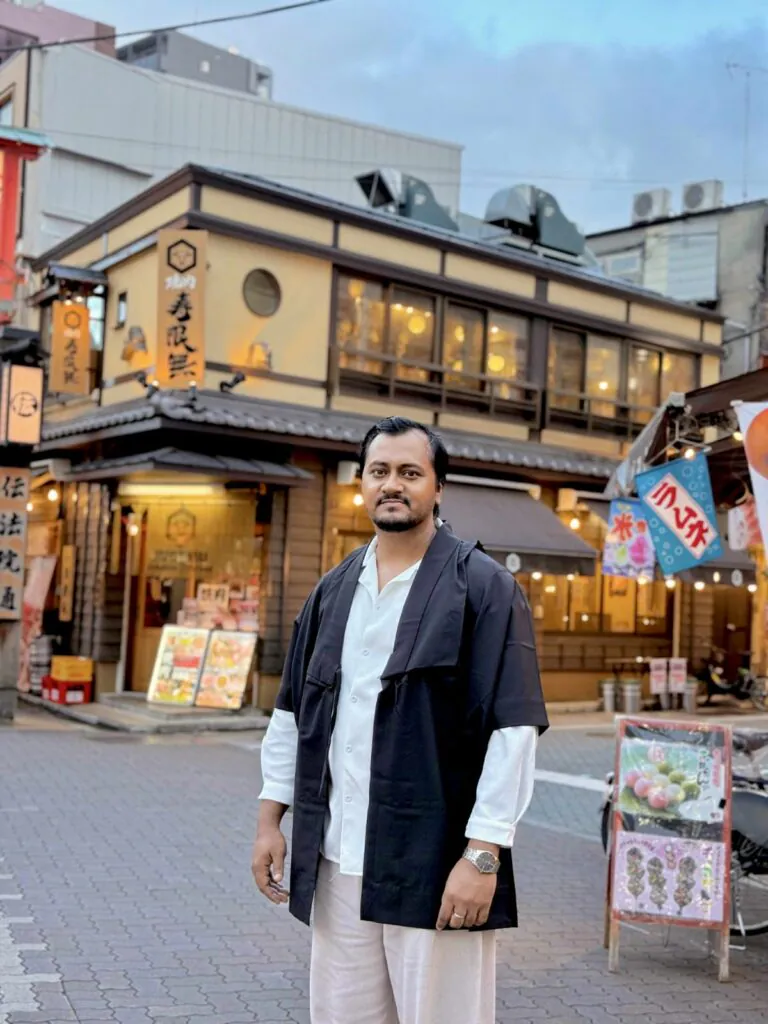
At first, it was overwhelming. The language barrier added to the confusion, and I learned an important lesson quickly: if you’re visiting Japan, always choose a hotel close to a train station. You will walk—a lot. Saving those extra steps matters more than you think.
Yet, as the days passed, the metro became one of my favorite parts of the city. Google Maps worked with astonishing accuracy, guiding me through one of the world’s most complex transit systems. Inside the trains, there was a calm I had never experienced elsewhere.
No chatter. No noise. Everyone quietly absorbed in their phones. I found myself doing the opposite—watching faces, studying expressions, occasionally wondering, half-jokingly, if the person next to me could be my future boss.
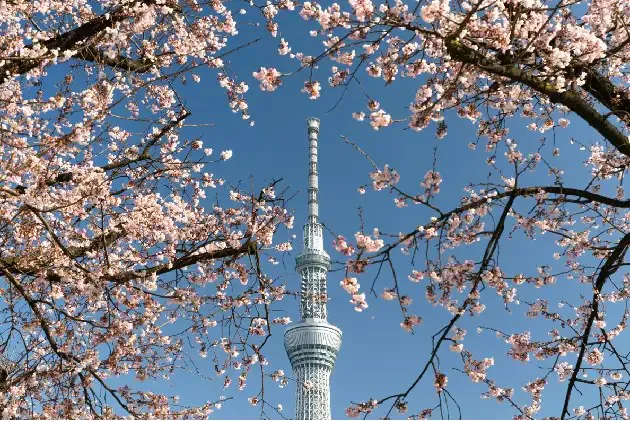
In the beginning, everyone looked the same to me, and that unfamiliarity was both amusing and disorienting. The moment that truly took my breath away was Tokyo Skytree. Standing high above the city, the view felt unreal—an ocean of buildings, lights, and movement stretching endlessly in every direction. Tokyo didn’t feel like a city from up there; it felt like a living organism. Tourists from all corners of the world stood beside me, united by silence and awe. I felt small, yet deeply connected.
A short journey away, Yokohama offered a different kind of magic. The night drive there was cinematic. The cool sea breeze, the illuminated dockyards, and the reflection of city lights on water made the city feel gentle, almost romantic. It was one of those moments you wish you could pause.
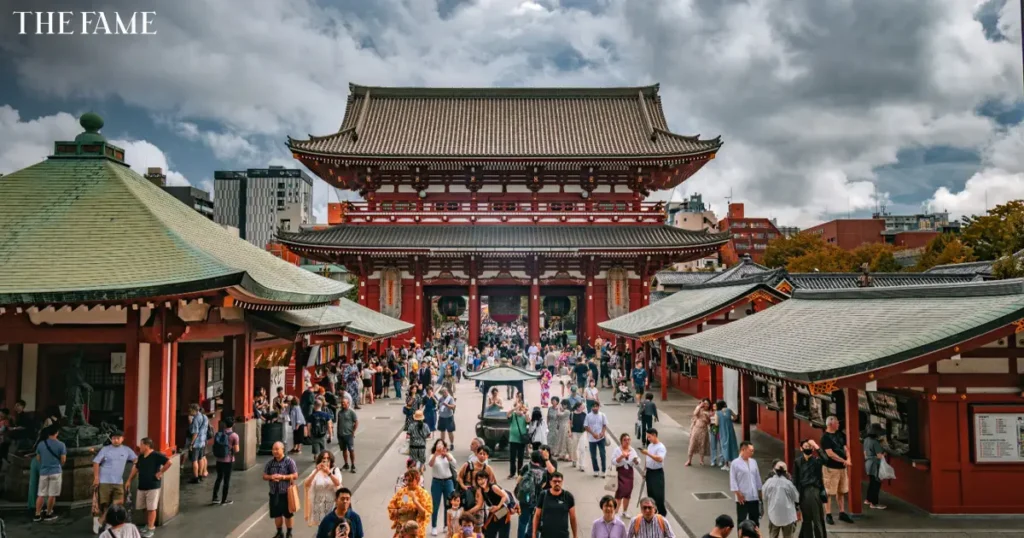
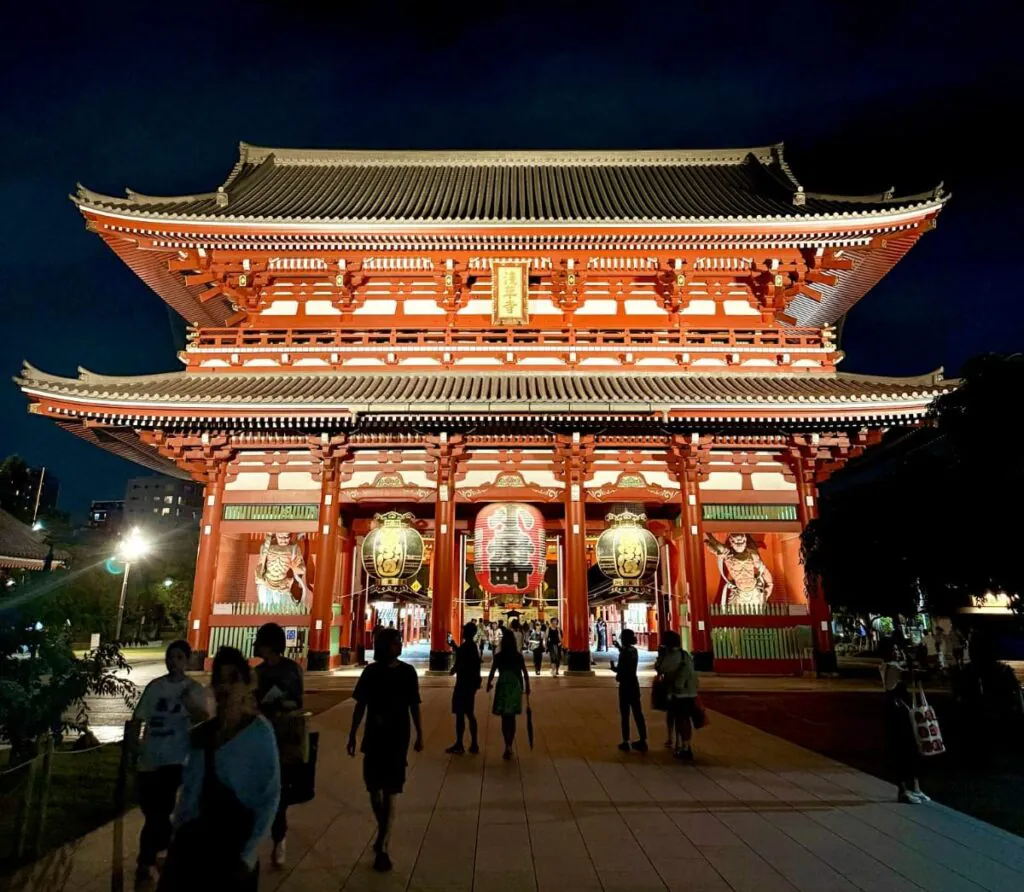
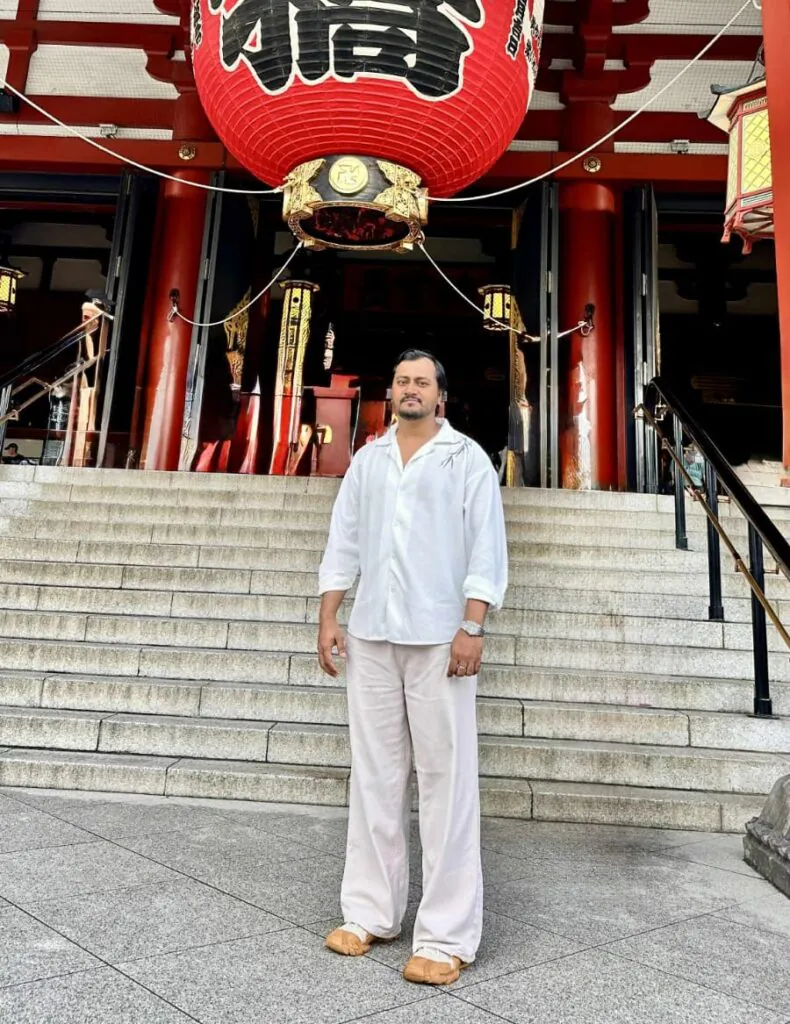
I also wandered into Japan’s spiritual heart. Senso-ji Temple in Asakusa felt timeless—incense in the air, bells chiming softly, history breathing through every corner. From there, the contrast was striking as I entered Shibuya, vibrant and restless, often called the city of the young. The energy was infectious. Life there moves fast, but with intention
Akihabara was another world altogether—a neon-lit playground of technology, anime, and electronics. Yodobashi Akiba felt endless, a paradise for anyone even remotely curious about gadgets. Even shopping for shoes at ABC Mart turned into a small adventure. And then there was Tokyo Station—grand, confusing, and beautifully chaotic. I got lost more than once, but each wrong turn felt like a discovery rather than a mistake.
What stayed with me most, however, wasn’t just the landmarks. It was the system—and the people within it. Japan might be the cleanest country I’ve ever seen. Rules aren’t enforced loudly; they’re respected quietly. People line up without being told. Streets are crossed with discipline. Escalators have sides, and everyone follows them. Watching this collective respect for space and order is humbling. It makes you reflect on how society changes when responsibility is shared.
Japan changed something in me. It slowed my thoughts, sharpened my awareness, and challenged how I see everyday life. My trip eventually ended—but the feeling didn’t. Japan doesn’t leave you when you go. It stays. Like a journey that refuses to end.