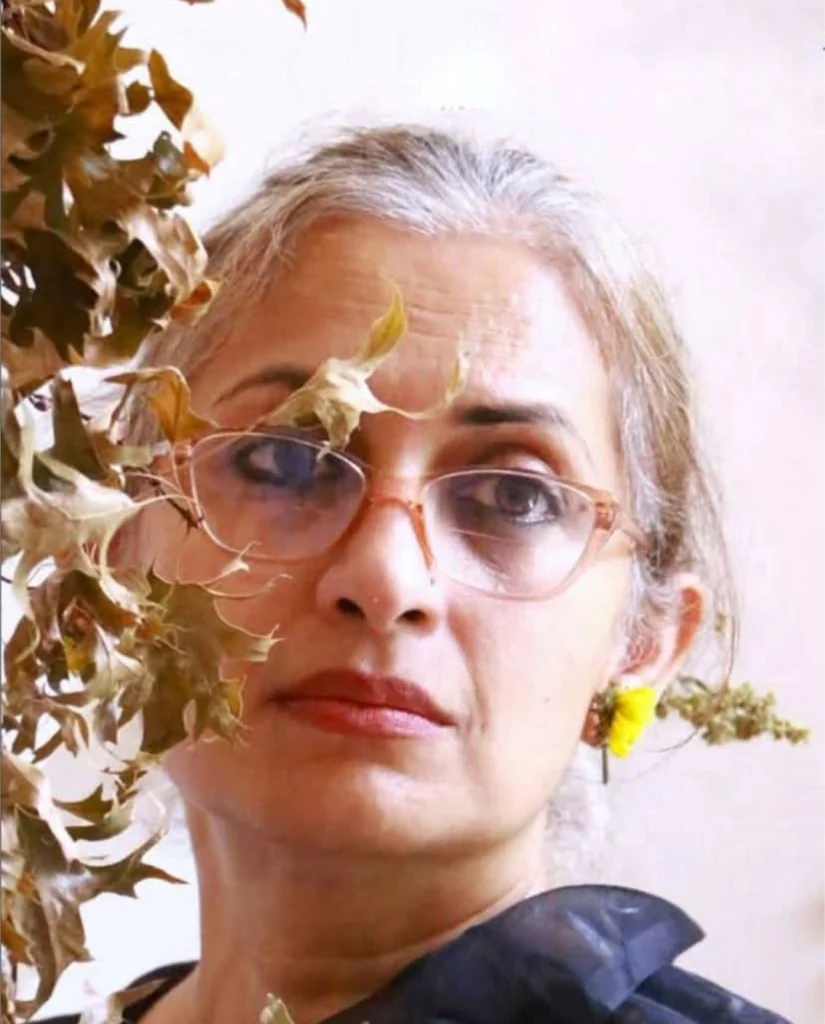
When Bipasha Hayat shared a photo showing her grey hair and natural lines, social media reacted instantly. Some praised her confidence. Others compared her to Jaya Ahsan, who, in her mid-fifties, continues to look strikingly youthful.
What followed was not a discussion about talent or contribution, but a familiar debate about women’s looks. The reaction said far more about society’s discomfort with aging women than about either actress. Grace, after all, is not about denying age—it is about accepting it.
Bipasha Hayat, a celebrated actress of the 1990s, chose to appear as she is: silver streaks, softer skin, and no attempt to hide time. Jaya Ahsan represents a different approach. Through fitness, skincare, and discipline, she maintains a youthful appearance that many admire.
Both choices are valid. Yet the public conversation quickly turned judgmental. Women were ranked, compared, and scrutinized. The underlying message was clear: a woman’s aging must always be explained, justified, or defended.
This obsession with women’s appearances is not unique to our region. Around the world, women in public life face the same narrow expectations. Hollywood legends like Meryl Streep and Helen Mirren have repeatedly spoken about being told they were “too old” for leading roles—only to prove otherwise by continuing to deliver powerful performances well into later life. Their continued visibility challenges the idea that relevance fades with age.
The Problem With Comparison
Bipasha and Jaya have become symbols of two ways of aging in the public eye. Bipasha’s choice reflects acceptance and honesty. Jaya’s reflects commitment to self-care and discipline. Neither path is superior.
As social media user Parag Chakma noted, some people enjoy fitness routines, others do not. Both can be happy. Still, women are rarely given this freedom without criticism. A wrinkle becomes a moral question. Grey hair becomes a sign of “giving up.”
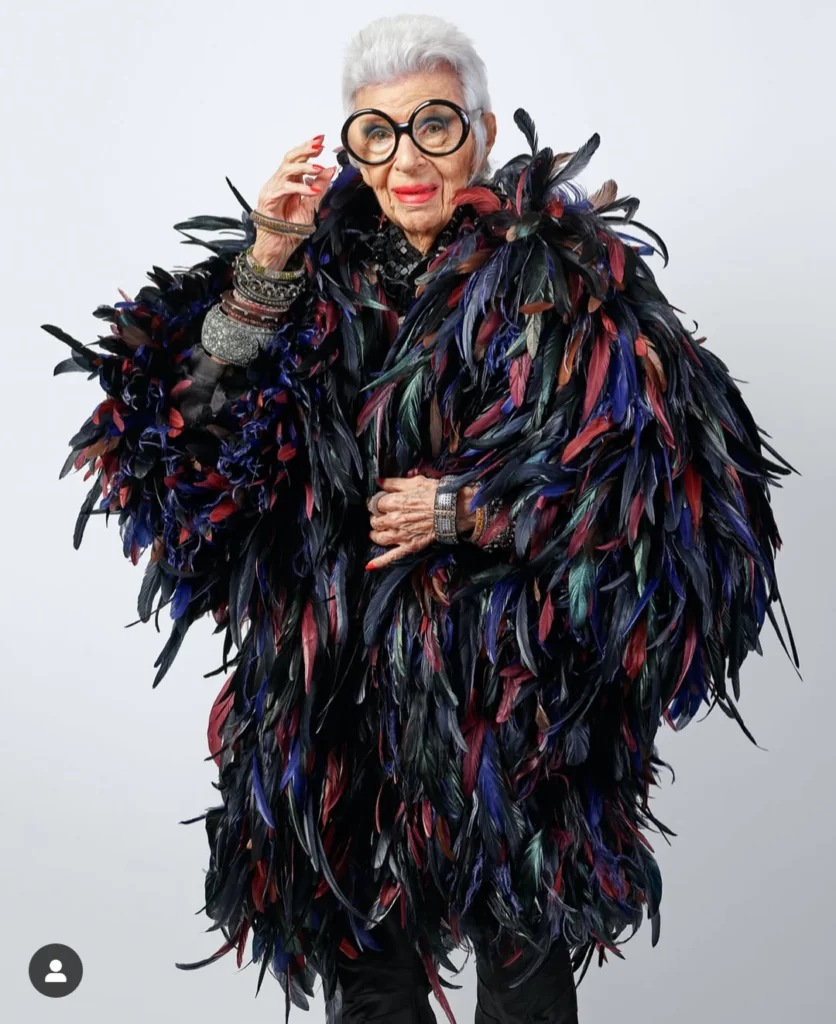
Fashion icon Iris Apfel, who rose to global fame in her later years, once showed that confidence and individuality do not depend on youth. She did not become admired because she looked young, but because she looked unapologetically herself. Her popularity exposed how limiting the usual standards of beauty truly are.
The Silent Stigma of Aging
Men age with permission. Grey hair makes them “distinguished.” Wrinkles add “character.” Women, however, are expected to remain youthful forever. Any visible sign of age is treated as failure.
This pressure is deeply internalized. Many women apologize for their age, hide it, or feel ashamed of it. Over time, they absorb a damaging belief: youth equals value.
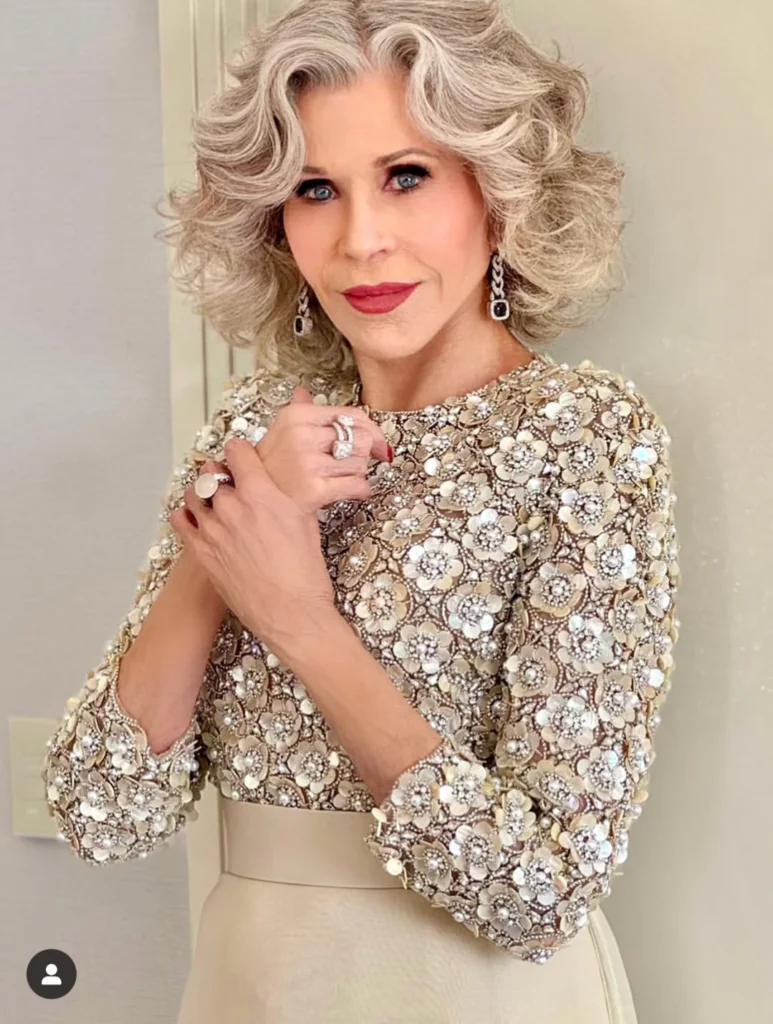
Jane Fonda’s continued presence as an actress, activist, and public figure well into her eighties pushes back against that
belief. So does Angela Bassett, whose strength and elegance are celebrated not despite her age, but because of the confidence she carries with it. These women remind us that aging does not weaken a woman’s presence; it can deepen it.
Seen this way, Bipasha’s photograph feels like a quiet act of resistance. It reminds us that age is not a flaw. It is proof of experience, endurance, and survival.
Self-Care Is Not Vanity
At the same time, Jaya Ahsan’s appearance is not accidental. It reflects intention—attention to health, fitness, and emotional well-being. This is not vanity; it is another form of self-respect.
Michelle Yeoh’s historic Oscar win later in life made this point powerfully. Her achievement challenged an industry that often sidelines women after a certain age, especially women of color. She did not succeed by hiding her age, but by showing that skill, discipline, and presence only grow stronger over time.
As Tanzeena Islam wrote online, Bipasha did not stop caring for herself—she simply chose not to dye her hair. Jaya looks different because she invests time and effort in fitness. Both deserve respect. Aging gracefully does not mean neglecting oneself. Self-care matters at every stage of life. It is a way of honoring the body that carries us through joy, loss, and change.
A Better Way Forward
The real issue is not how women age, but how society reacts to it. Women should not be placed in competition or judged for their choices. There is no single “right” way to age.
Across cultures, women who remain visible, vocal, and active later in life—from film to fashion to activism—are quietly reshaping what aging looks like. They are not asking permission. They are simply continuing.
Redefining Grace
Aging is inevitable. Grace lies in how we meet it. It is not smooth skin or perfect features. It is confidence, acceptance, and freedom from apology.
Through their different choices, Bipasha Hayat and Jaya Ahsan join a much larger global chorus of women who show us the same truth: aging does not erase beauty. It expands it. In a world obsessed with youth, that reminder feels quietly powerful.