For over five decades, Adcomm Limited has played a defining role in shaping Bangladesh’s brand landscape. Founded in 1974 by Geeteara Safiya Choudhury, the agency began with just six people and has grown into one of the country’s most influential integrated marketing and communications groups, working with many of Bangladesh’s leading brands.
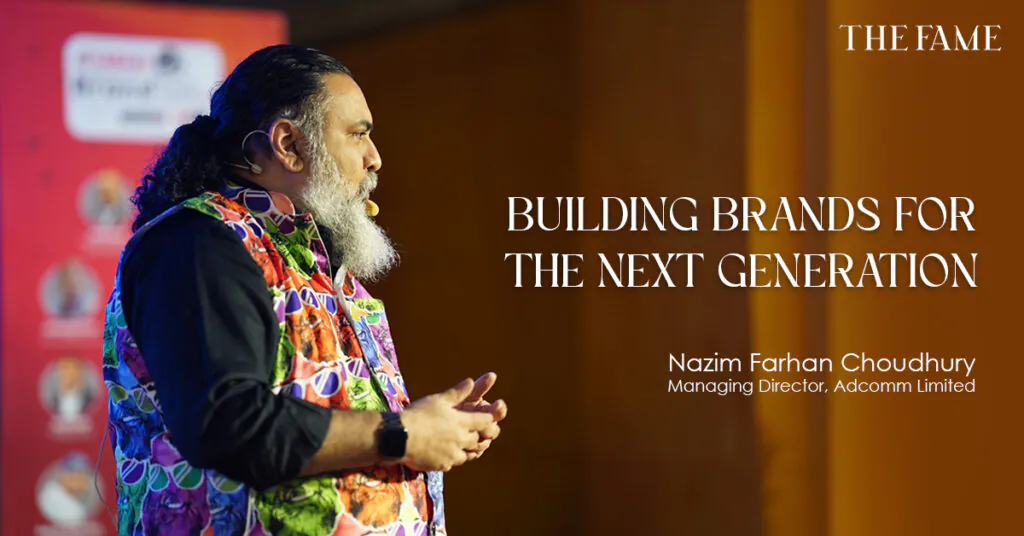
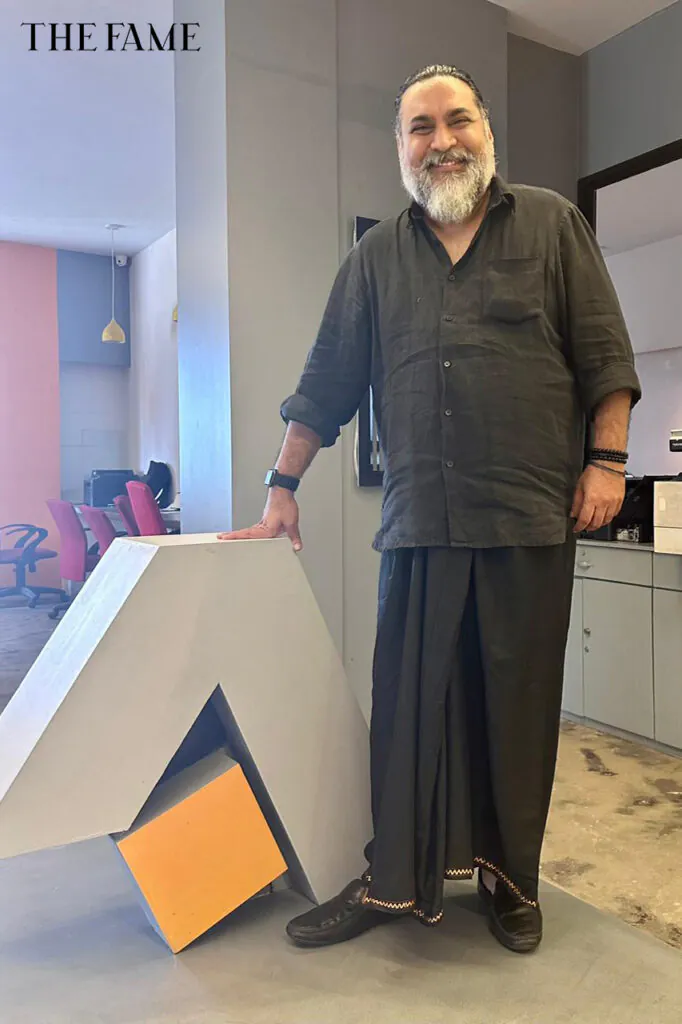
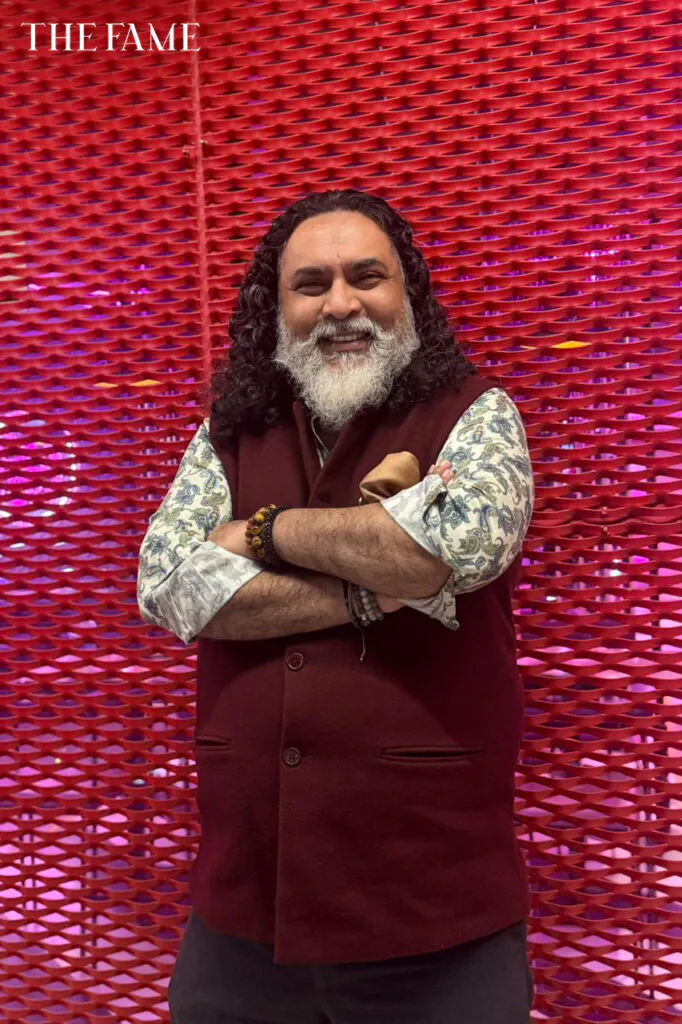
At the center of its contemporary evolution is Nazim Farhan Choudhury, the agency’s Managing Director—an entrepreneur, brand strategist, and industry thought leader who has spent more than three decades shaping the advertising and communication ecosystem in Bangladesh. Over the years, he has helped build campaigns and strategies for global and local giants including Unilever, Mojo, SMC, and Robi, while also contributing to the growth of iconic Bangladeshi brands.
Under his leadership, Adcomm has embraced digital transformation, global collaboration, and data-driven creativity while maintaining a philosophy rooted in empathy, storytelling, and long-term brand building. In this conversation with The Fame Magazine’s Next Gen Business Issue, Nazim Farhan reflects on the enduring values behind Adcomm’s success, the disruptive role of artificial intelligence in advertising, and how the agency is preparing for the next decade of communication.
The Power of Purpose: 51 Years of Adcomm
Adcomm has completed more than five decades in an ever-evolving industry. What do you believe has been the single most defining factor behind the agency’s longevity and leadership in Bangladesh’s advertising landscape?
If I had to identify one defining factor, it would be our sincerity and dedication to our clients’ success. At Adcomm, we don’t approach a brand simply as something to sell we approach it as something we must believe in ourselves.
That philosophy comes directly from our founder, Ms. Geeteara Safiya Choudhury. Growing up, I remember she would bring home products from clients for us to test new toothpaste, shampoo, or food items because she believed you cannot promote something you wouldn’t use yourself. That mindset shaped the culture of the company.
There have even been instances over the last five decades where we chose to walk away from business because we didn’t believe in the product. In a market where many businesses focus on making things cheaper to sell faster, we believe the best advertising still begins with a good product. Our job is simply to convince people to try it once. If the product delivers value, the brand will grow naturally.
Scaling Without Losing the Soul
Founded as a small team in 1974, Adcomm today works with many of the country’s leading brands. How do you preserve the founding ethos while scaling the organization?
The biggest reason we’ve maintained our culture is that our founder remains extremely engaged in the business. Even today she is often the first person in the office in the morning.
Her dedication to brands goes beyond advertising. I remember an incident years ago when she was traveling in Nepal. She walked into a store in Pokhara and noticed that only one variant of a Bangladeshi client’s product was available on the shelf. She called the chairman of that company immediately and asked why the other variants weren’t there.
The chairman explained that the product wasn’t officially distributed in Nepal it had been smuggled there. But her response was simple: if consumers are already buying it there, you should consider exporting it.
That kind of commitment to the client’s business, not just their advertising is what defines us. Many of our new clients actually come from previous relationships when someone moves to a new company and calls us again. That continuity reflects the trust built over decades.

Technology, Data and the Human Story
You often say technology is transforming advertising while storytelling remains the core. How is Adcomm integrating AI and data analytics without losing emotional resonance?
Artificial intelligence is incredibly powerful for understanding data consumer behavior, global trends, and market dynamics. We use it extensively for analytics, creative ideation, and distribution strategies.
But AI is essentially a thought starter. It gives you patterns and possibilities. What it cannot replace is human judgment and cultural understanding.
For example, much of the data available online reflects urban conversations, particularly from Dhaka. But Bangladesh doesn’t happen only in Dhaka. Many of the products we advertise are actually consumed outside the capital.
This is why diversity in thinking is critical. We try to recruit people from different educational backgrounds, cities, and perspectives. Advertising is not just creativity or technology it’s the intersection of data, insight, and craft. You analyze the numbers, but you also need the artistic instinct to turn insights into stories that resonate with people.
The “Ekannoborti” Philosophy
Adcomm often refers to itself as an “Ekannoborti” or joint family. How does that philosophy shape leadership and collaboration across the organization?
Despite our size, we still think of ourselves as a small business community. We call ourselves Adcommrades a family of colleagues and collaborators.
In many organizations relationships are purely transactional. But when you build deeper relationships with employees, clients, or consumers you create empathy. And empathy is essential in advertising because you cannot sell something unless you truly understand people’s needs and aspirations.
We also try to ensure that people have work-life balance. Creativity doesn’t only happen in an office. It happens when someone attends an event, watches a film, travels, or simply observes people’s lives.
That’s why we support hybrid work models and encourage people to have experiences outside work. Those experiences ultimately make them better storytellers and better marketers.
Advertising in the Age of AI
Looking ahead to the next decade, what strategic priorities will define Adcomm’s growth?
The truth is that the entire global advertising industry is trying to answer that question right now. What we know for certain is that AI will significantly reshape how agencies operate.
At Adcomm, we’re investing heavily in building a digital platform infrastructure that allows us to work very differently from the traditional 9-to-5 agency model. Creativity no longer needs to come from a handful of copywriters sitting in an office. Technology now allows us to collaborate with thousands of creative minds globally.
The core challenge is not just adopting technology but rethinking the agency model itself how ideas are created, shared, and executed in real time.
The technology will evolve, but one thing will remain constant: advertising still begins with understanding human insights. If you understand people deeply, you can adapt to any platform or technology.
As Bangladesh’s economy grows and its brands increasingly compete in regional and global markets, leaders like Nazim Farhan Choudhury represent a new generation of business thinkers leaders who understand both technology and culture, data and creativity.
For Adcomm, the next chapter will not simply be about advertising campaigns. It will be about building a platform for communication, creativity, and innovation one that continues to shape how brands connect with consumers in Bangladesh and beyond.And if Nazim Farhan’s philosophy holds true, the future of advertising will look different technologically but its heart will remain exactly the same: telling stories that people believe in.