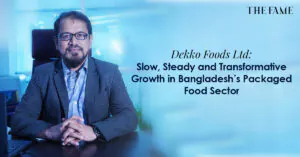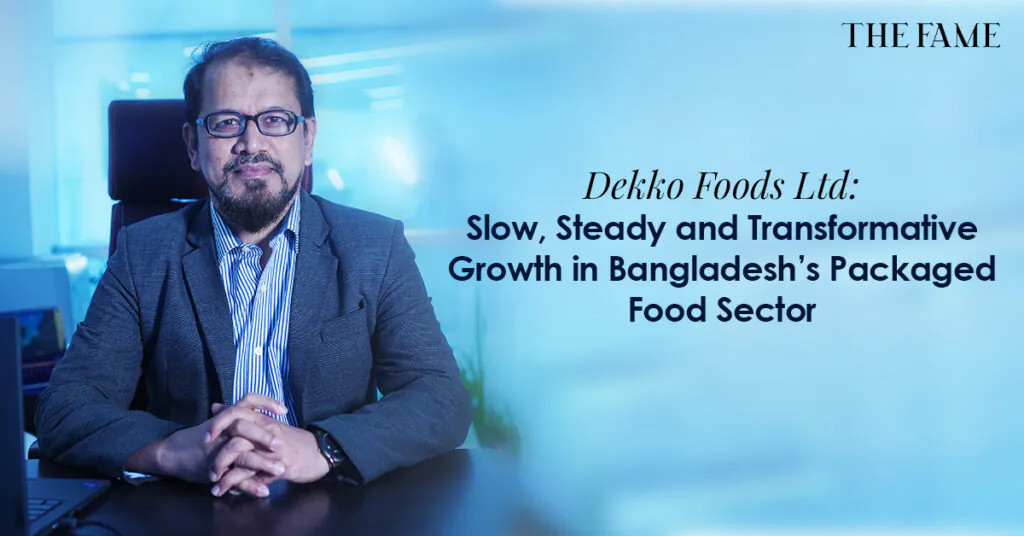
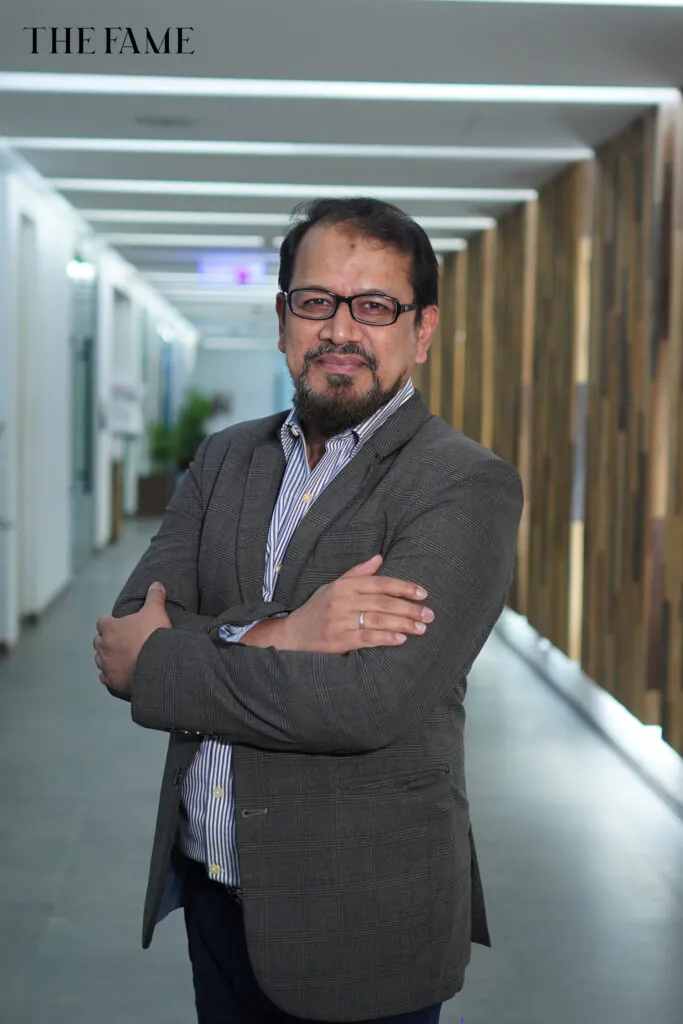
Dekko Foods Ltd has long been perceived as an underdog in Bangladesh’s food industry, yet its rise reflects a strategic, disciplined and sustainable approach to growth. Speaking about the brand’s evolution, AKM Zabed, COO of Dekko Foods Ltd, emphasized that building a food brand cannot be rushed. “The food industry does not rely on quick fixes,” he said. “Food is a long-term carry-through product and brand. It starts very low and gradually blooms very slowly.”
Established in 2005, Dekko Foods is one of the oldest players in Bangladesh’s biscuit category. From its early years, the company positioned itself as an innovation-first brand. The COO noted, “We were always known for innovation. Dekko is one company that introduced a lot of products in different categories. A lot of other brands followed our pattern and copied our products.” Today, the brand has 86 food products in the market and an
additional 45 developed, which will be launched gradually to maintain sustainability and consumer acceptance. This “slow and steady” philosophy has been central to Dekko’s identity and growth strategy.
Bridging the Cost Gap Between Safe Packaged Food and Open Food
One of the biggest challenges in the sector is the cost difference between VAT-regulated packaged food and unregulated open food sold without standards. Responding to this, Zabed stressed that compromising safety is never an option. “We cannot take any risk in regards to food no matter who makes it or which segment it belongs to,” he said.
As consumers become more educated and health-conscious, they are shifting from loose food to packaged, and gradually, towards branded packaged food. The COO described this shift as a key driver of market growth. But he also pointed out the economic reality: 44% of Bangladesh’s population lives below the poverty line, and for many, spending 10 taka on a biscuit packet is a basic necessity, not a luxury. He argued that imposing the same VAT on
basic food items and luxury food products is not logical.
He added that internationally, governments either reduce or eliminate taxes on essential items like food, education and treatment. “Food items priced between 5 to 15 taka should be made free of VAT and AIT,” he said. “The government has to come out of the typical mentality, upgrade themselves with global practices and embrace them.”
Driving Innovation, Technology and Global Standards
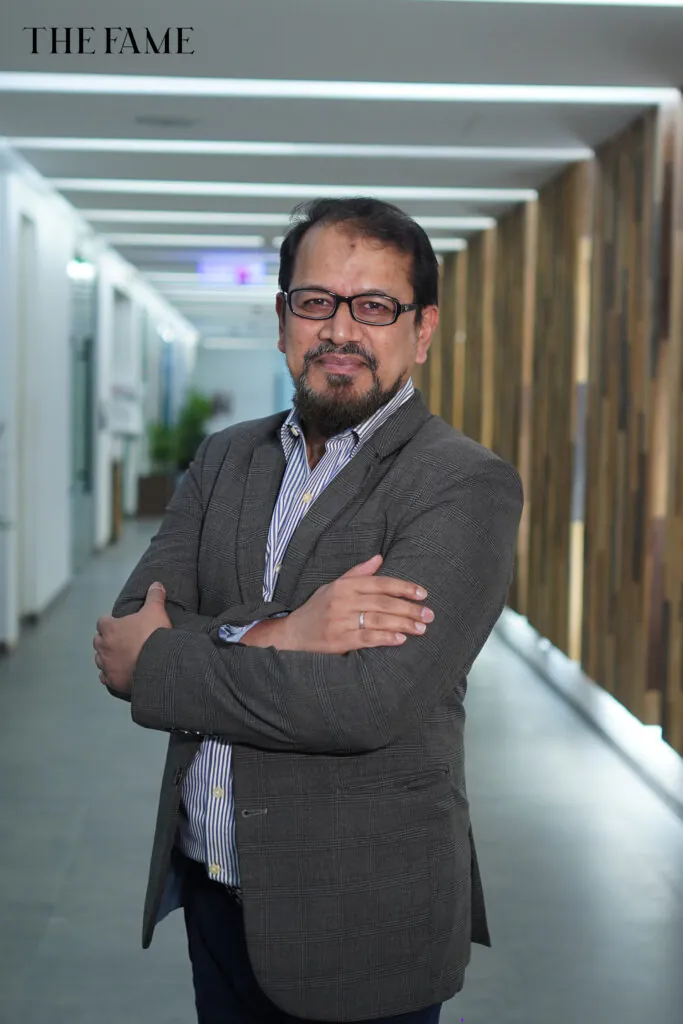
Dekko Foods aims to bring the same leadership mindset that the Dekko Group established in the garment sector into the food division. Zabed shared that innovation and quality are constant priorities, shaped by the company’s ethos. Quoting their Chairman, he said, “Something I won’t eat myself, I won’t sell to people.”
Dekko holds BSTI certification, HACCP, Halal certification and is working toward ISO accreditation. The company recently installed one of the largest machines in Bangladesh and is taking FDA certification to expand exports to the Middle East, Africa and the USA. “Our plan is that no global certification will be left to be able to export food abroad,” he noted.
Dekko’s machinery is curated from two of the world’s top European brands, forming a hybrid system that ensures efficient, safe, high-output operations. The company is also pushing into full automation. “We are the first company to launch a sales app in the snacks industry,” the COO said. The company is further upgrading its ERP system to meet global standards and is transitioning into a completely paperless office with digitized archives. According to him, “In terms of automation, we are more advanced than our market competitors, and I hope we
will have distinct leadership in this area.”
Maintaining Low Prices While Upholding High Standards
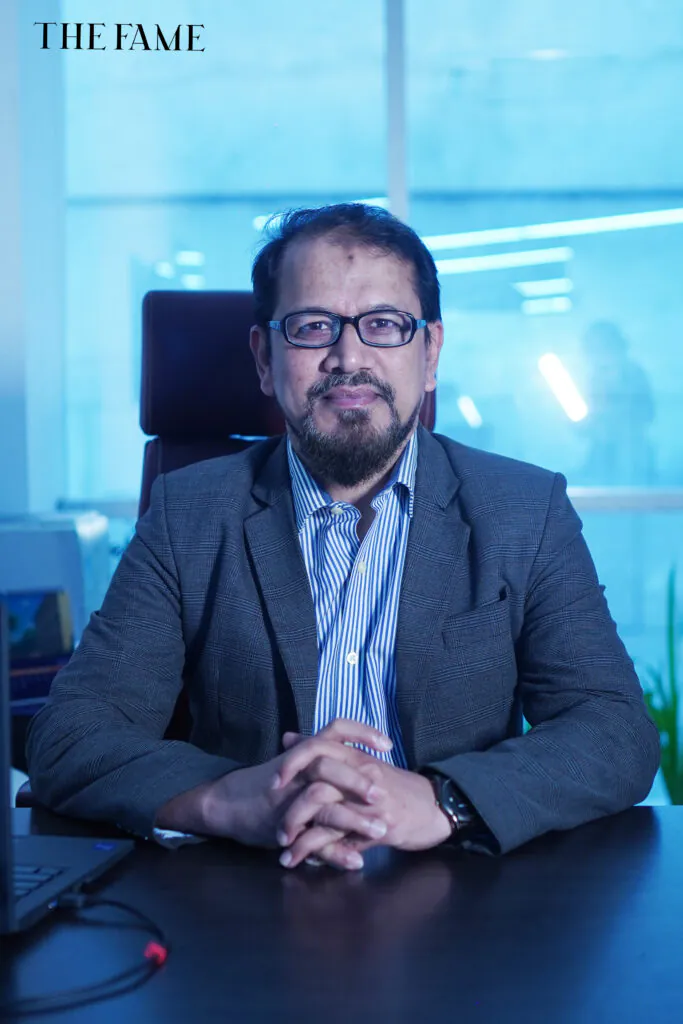
Despite investing heavily in quality and global certifications, Dekko Foods continues to offer products suitable for the mass market. Zabed attributed this to the social responsibility inherent in the food business. “People who are in the food business will have to be a philanthropist,” he said. “We can’t put a huge profit margin on food. We need to remember we are helping and building the nation.”
Though committed to slow and steady growth, Dekko doubled the industry growth rate last year through strategic expansion and market aggressiveness.
Expanding Into Premium Product Lines
While most Dekko products cater to the mass segment, the company is also developing new lines for premium consumers. Many of the 45 upcoming products are designed for higher-end buyers, including items that are gluten-free, vegan or positioned for lifestyle-conscious consumers. “These products are absolutely off track and not available in Bangladesh,” he shared.
Dekko’s CSR work is also significant they have distributed biscuits to more than a thousand schools across the country and regularly support activities related to sports and education.
Transparency, Sustainability and Compliance
Aligned with global SDG-driven practices, the company maintains strong sustainability and compliance systems. Their waste management is carefully regulated, and operations are process-driven. Dekko maintains full transparency in production and allows factory visits for anyone interested.
A Vision to Become the Benchmark
Looking forward, Dekko Foods aims not to be the biggest, but the best. Zabed explained that the company designs products based on real market needs and lifestyle behaviors. During COVID-19, for example, they released Honey Jira biscuits due to the wellness associations of honey and jira. “We don’t want to design typical, traditional products,” he said. “We want to touch all the slices of life with food that improves the quality of life for our people.”
He believes that these touchpoints are essential in contributing to the development of the nation and in creating a legacy rooted in responsibility, innovation and quality.
Photographs- Ahamed Zubayer