Luxury brands rarely sell products alone they sell aspiration, identity, and a sense of arrival. Across South Asia, from Mumbai to Dhaka, global labels are tapping into a rising affluent class and an ambitious young generation eager to signal success. Their marketing strategies reveal how desire is carefully cultivated through storytelling, exclusivity, and immersive brand experiences.
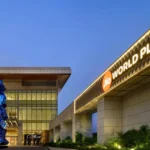
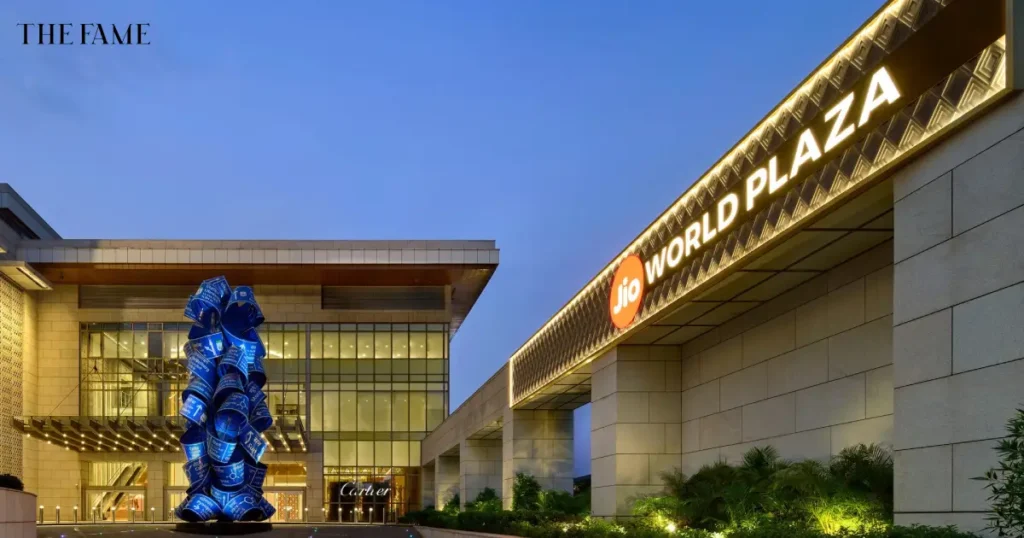
On a Saturday evening in Mumbai, shoppers glide through the polished corridors of Jio World Plaza, one of the newest luxury retail destinations in South Asia. Inside boutiques of Louis Vuitton, Gucci, and Dior, customers are greeted not with aggressive sales pitches but with quiet hospitality. Soft lighting, attentive staff, and carefully curated displays create an environment where shopping feels less like commerce and more like participation in an exclusive world.
This is the essence of luxury marketing. Unlike mass-market brands that focus on price or product features, luxury labels rely on atmosphere, storytelling, and emotional connection to cultivate desire. Across South Asia, where wealth is rising and aspirations are shifting, this strategy is proving remarkably effective.
The Numbers Behind South Asia’s Luxury Boom
| Segment | Market Size / Growth | Key Insight |
| India luxury market | $17.6B revenue (2024) | Fast-growing luxury consumption |
| Luxury watch segment | 11–12% annual growth | Driven by affluent buyers and aspirational consumers |
| Luxury beauty market in India | $800M in 2023 → projected $4B by 2035 | Young consumers driving demand |
| Southeast Asia luxury goods market | $10.7B in 2024 → $15.8B by 2033 | Growing disposable incomes |
| Luxury perfume market (SEA) | $440M in 2024 → $748M by 2033 | Strong lifestyle branding demand |
These numbers help explain why global luxury brands are investing heavily in the region. South Asia’s expanding middle and upper classes are increasingly comfortable spending on premium goods, particularly those that signal lifestyle, taste, and social mobility. For global brands, the region represents not only a new consumer base but also a powerful narrative of economic transformation.
When Shopping Becomes an Experience
Luxury retailers understand that the environment surrounding a product can be just as important as the product itself. This is why flagship stores and luxury malls often resemble art galleries or private clubs rather than conventional retail outlets. At Jio World Plaza, shoppers are offered personal stylists, private viewing rooms, and concierge services designed to make each visit feel exclusive and memorable.
The idea is simple yet powerful: when consumers feel special, they begin to associate that emotion with the brand. Purchasing a luxury item then becomes more than a transaction it becomes a story worth remembering. Over time, these carefully designed experiences build loyalty and reinforce the perception that the brand represents a certain lifestyle.
Beauty Brands Discover a New Audience
Luxury marketing in South Asia is not limited to fashion houses or jewelry brands. The beauty industry has become one of the fastest-growing luxury segments in the region, driven largely by younger consumers who are eager to experiment with global products and trends. Companies such as L’Oréal, Estée Lauder, and Shiseido have dramatically expanded their presence in India through both physical stores and digital platforms.
A key part of this expansion involves partnerships with major beauty retailers like Nykaa, which has helped bring premium beauty products to millions of online shoppers. Social media influencers, beauty tutorials, and digital campaigns have also played a major role in making luxury cosmetics feel accessible yet aspirational. As a result, India’s luxury beauty market is projected to grow from roughly $800 million in 2023 to nearly $4 billion by 2035.
The Symbolism of the Luxury Watch
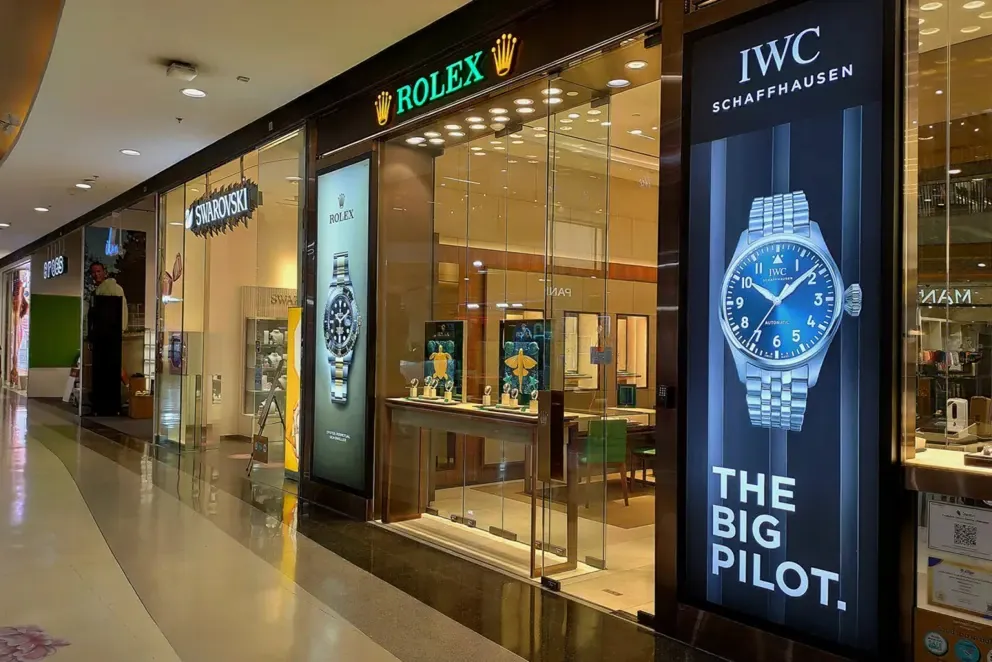
In business circles across South Asia, few objects carry as much symbolic weight as a luxury watch. For entrepreneurs celebrating a milestone, or professionals marking a career achievement, purchasing a premium timepiece often represents a personal reward for years of effort and ambition. This emotional connection has helped brands like Rolex, Cartier, and Omega maintain strong demand in the region.
Industry analysts estimate that the luxury watch segment in India is growing at an annual rate of roughly 11–12 percent. What makes watches particularly interesting from a marketing perspective is that they are frequently positioned not just as fashion accessories but as long-term investments. Advertising campaigns often emphasize craftsmanship, heritage, and generational value, reinforcing the idea that owning such a watch reflects success and stability.
Scarcity: The Most Powerful Marketing Tool
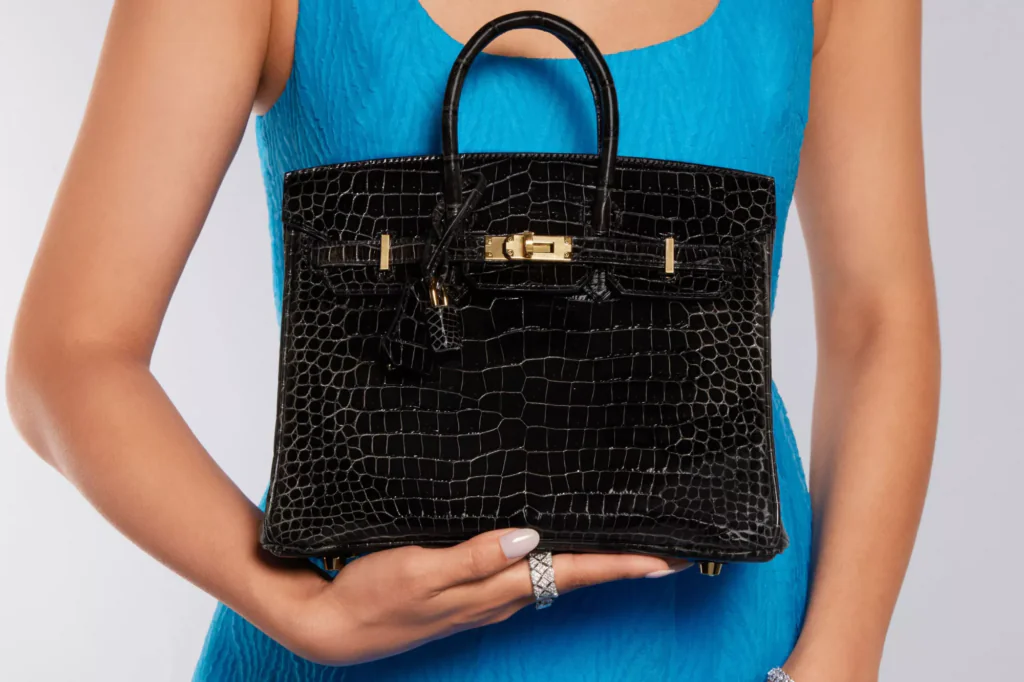
Another defining feature of luxury marketing is the strategic use of scarcity. Brands such as Hermès and Chanel carefully control how many products are released and where they are sold, ensuring that demand consistently exceeds supply. Waiting lists for certain items can stretch for months, sometimes even years, creating a sense of anticipation among buyers.
From a marketing perspective, this scarcity transforms the purchasing process into an achievement rather than a simple transaction. When a product is difficult to obtain, it acquires greater cultural and emotional value. Consumers often share these moments on social media, further amplifying the brand’s aura of exclusivity.
The Rise of the Aspirational Buyer
Perhaps the most significant change in South Asia’s luxury landscape is the emergence of the aspirational consumer. Unlike previous generations, today’s buyers often come from entrepreneurial or professional backgrounds rather than inherited wealth. Their purchases are closely tied to personal milestones such as launching a startup, receiving a promotion, or achieving financial independence.
Luxury brands have responded by introducing entry-level products such as perfumes, sunglasses, and cosmetics that allow new consumers to participate in the brand’s world without making an enormous financial commitment. Over time, these entry points help build brand loyalty and encourage customers to gradually upgrade to more expensive products.
Lessons for Emerging Markets
The evolution of luxury marketing in South Asia offers valuable lessons for emerging markets such as Bangladesh. First, successful luxury brands focus on storytelling rather than straightforward advertising, crafting narratives around heritage, craftsmanship, and aspiration. Second, the retail environment itself plays a critical role in shaping how consumers perceive the brand.
Finally, luxury marketing demonstrates that aspiration can be one of the most powerful drivers of consumer behavior. As economies grow and social mobility increases, more people seek products that reflect their achievements and ambitions. For brands that understand how to create that sense of desire, the opportunity in South Asia is only beginning.