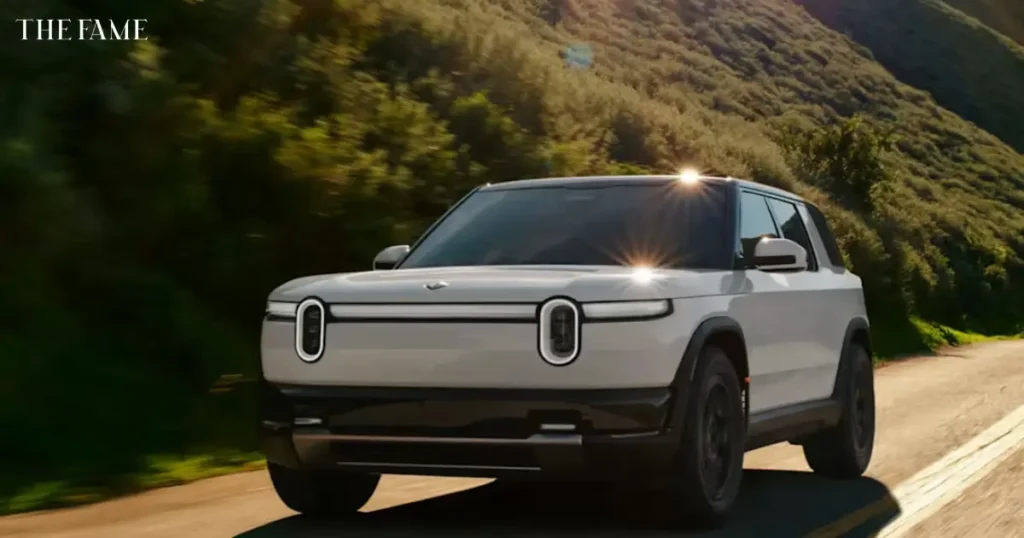
The automotive world is on the brink of transformation. As electric powertrains, smart connectivity, and cutting‑edge design enter the mainstream, 2026 promises a lineup of vehicles that blend performance, innovation, and sustainability in exciting new ways. From eco‑friendly electric SUVs to luxurious hybrids and tech‑packed sports cars, these are the 10 cars every enthusiast, commuter, and buyer should know.
The car you choose today says a lot about who you are. It speaks to your values speed and finesse, practicality and sustainability, or luxury and cutting‑edge technology. In 2026, the global automotive industry stands at an inflection point, where electric vehicles (EVs) and advanced driver assistance systems are no longer futuristic options—they are expected features. Whether you are a first‑time buyer in Dhaka, an automobile enthusiast in Kolkata, or a tech‑savvy professional in Tokyo, the cars of 2026 offer something for everyone. Below, we explore ten vehicles that are shaping what the future of mobility looks like each one notable not just for specs and performance, but for why it matters today.
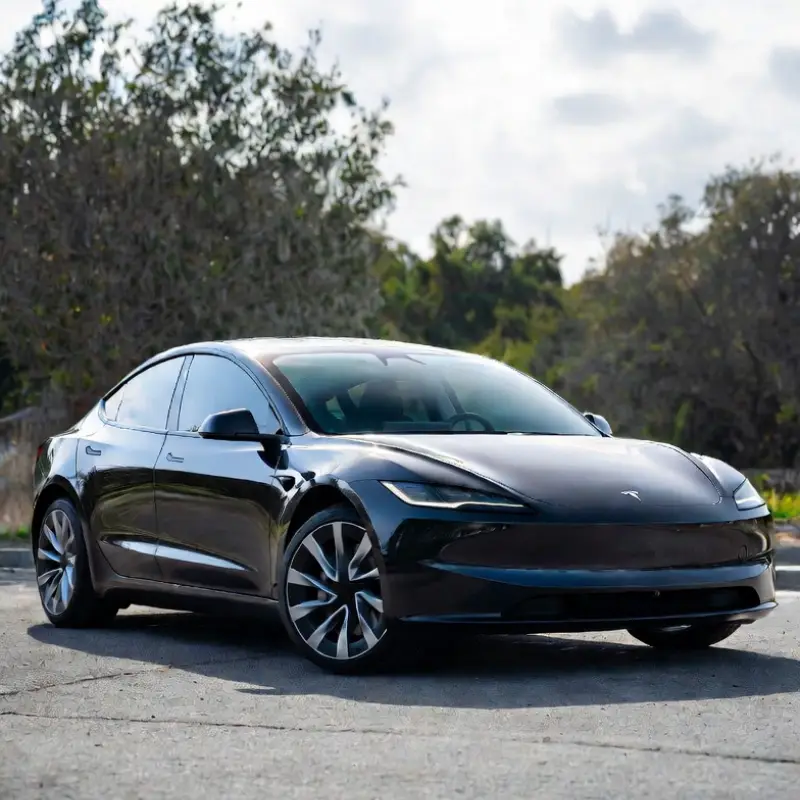
1. Tesla Model 3 (2026 Refresh)
Why It Matters: Continues to set the benchmark for affordable electric sedans with range, tech, and performance that appeal globally.
Price Range (Global): ~$40,000 – $50,000
Tesla’s Model 3 has already changed expectations for electric mobility, and the 2026 refresh brings improved range, battery efficiency, and updated autonomous features. With predictions of up to 380 miles (610 km) of range per charge, it remains an EV leader for everyday drivers.
2. Toyota bZ4X (2026 Edition)
Why It Matters: Toyota’s strongest entry yet into mainstream electric SUVs, blending reliability with EV practicality.
Price Range (Global): ~$45,000 – $55,000
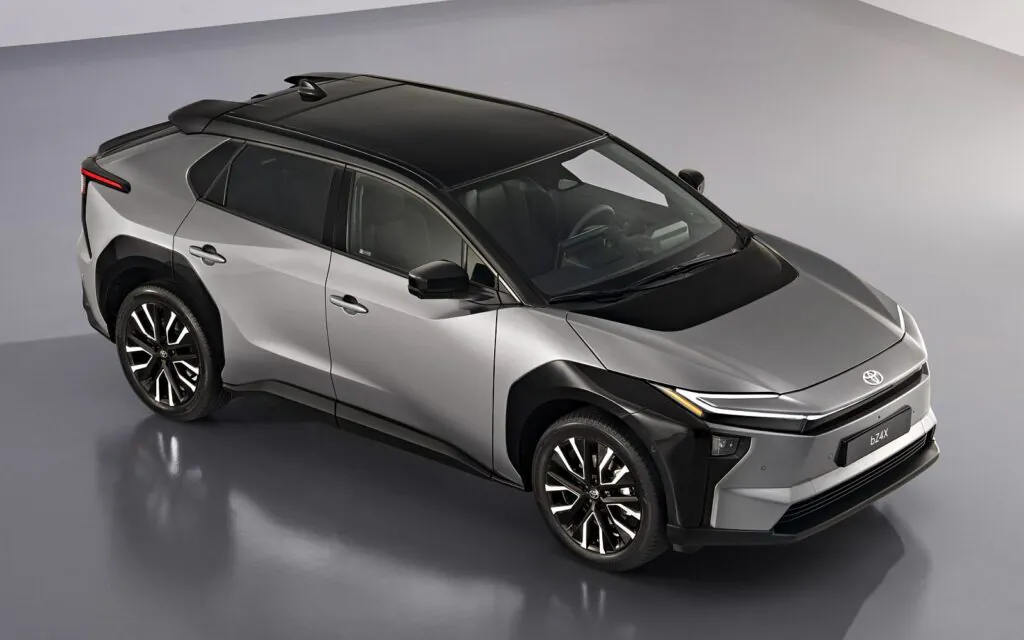
Toyota’s reputation for durability extends into electrification with the bZ4X. For markets like South Asia where reliability matters often more than raw performance, this SUV offers comfortable family‑friendly design and practical range.
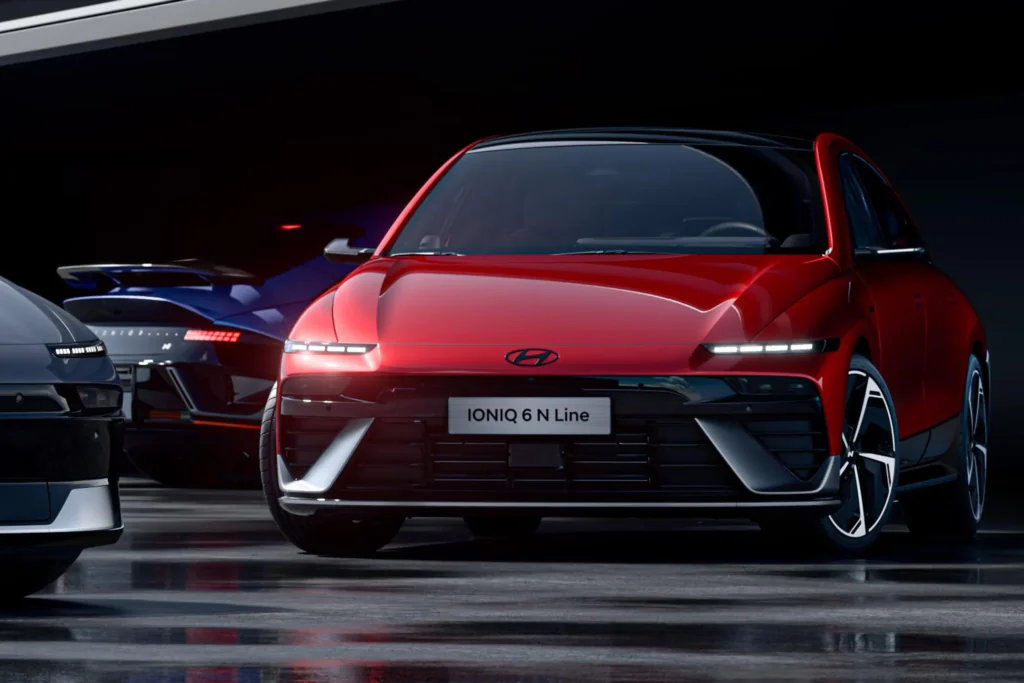
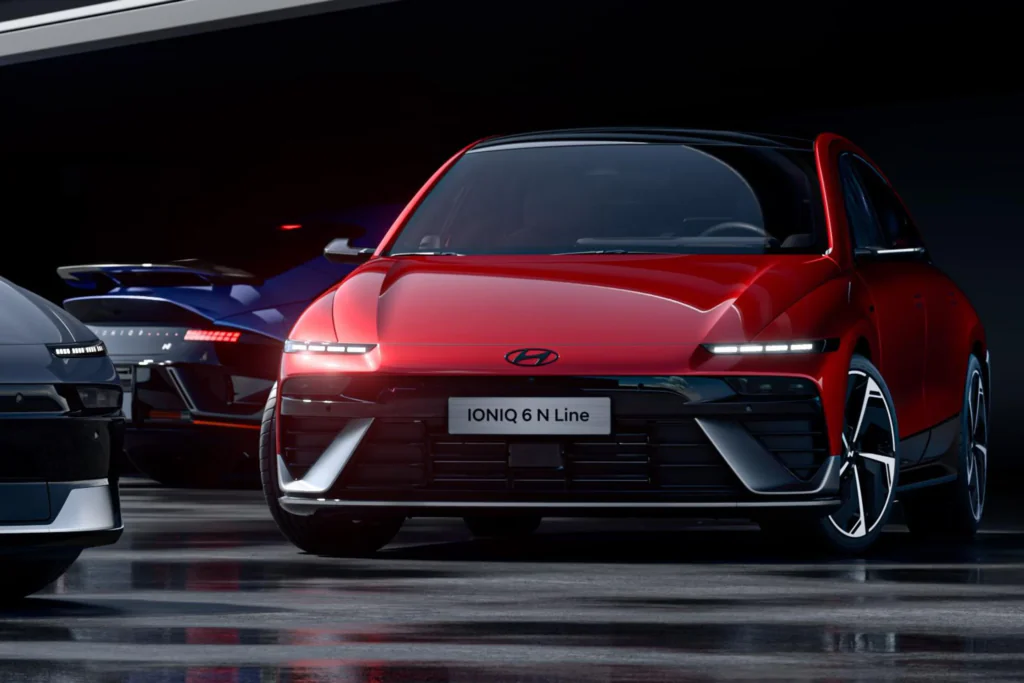
3. Hyundai Ioniq 6
Why It Matters: Stunning design and fast‑charging performance make this one of the most compelling EVs of the year.
Price Range (Global): ~$42,000 – $58,000
With sleek aerodynamics and a customizable interior, the Ioniq 6 challenges the notion that EVs must sacrifice style for efficiency. Its 350‑mile (560 km) range and 800V fast‑charging capability are redefining battery performance.
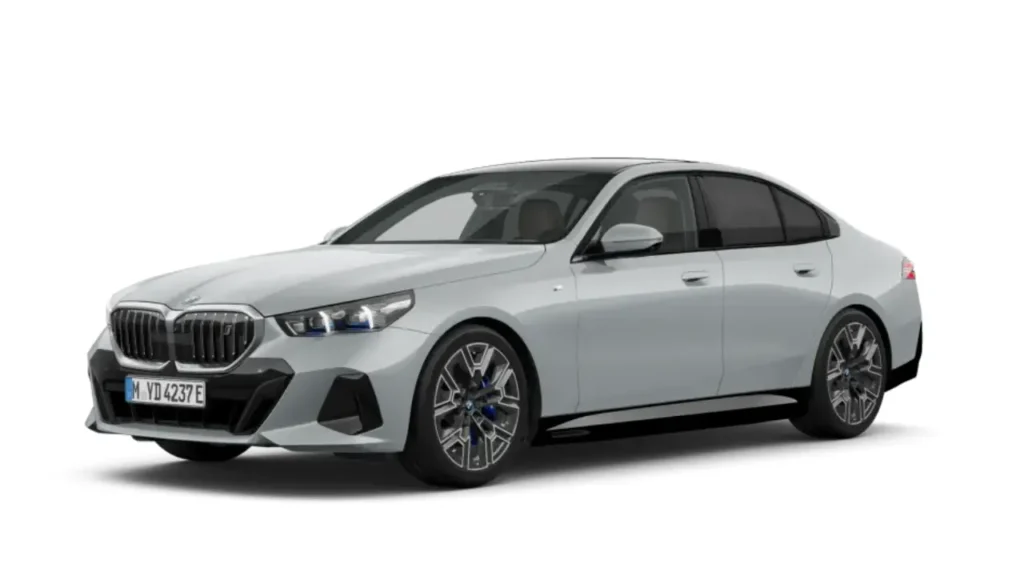
4. BMW i5
Why It Matters: A luxury electric sedan that blends dynamic performance with premium comfort and smart tech.
Price Range (Global): ~$65,000 – $85,000
BMW’s electric expansion continues with the i5, raising expectations in the premium sedan category. With impressive acceleration and refined driving dynamics, it targets buyers who want both luxury and electrification.
5. Rivian R2
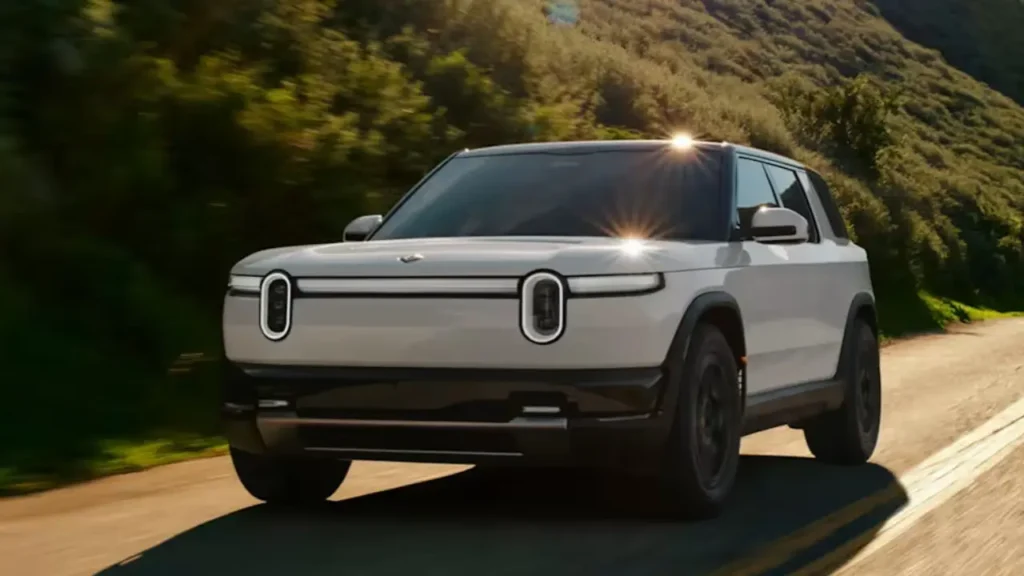
Why It Matters: A more affordable, adventure‑ready electric SUV from one of the hottest EV startups.
Price Range (Global): ~$50,000 – $65,000
Rivian’s R2 makes electric off‑roading more accessible without compromising the brand’s rugged heritage. With advanced all‑wheel‑drive systems and sustainable materials, it’s designed for both urban streets and weekend escapes.
6. Honda e:Ny1
Why It Matters: Honda’s all‑electric compact SUV aimed at urban drivers who want efficiency and style.
Price Range (Global): ~$35,000 – $45,000
The e:Ny1 pairs Honda’s reliability with city‑friendly dimensions and intuitive tech, making it ideal for first‑time EV buyers or urban commuters seeking lower running costs behind a futuristic design.
7. Porsche Taycan Cross Turismo
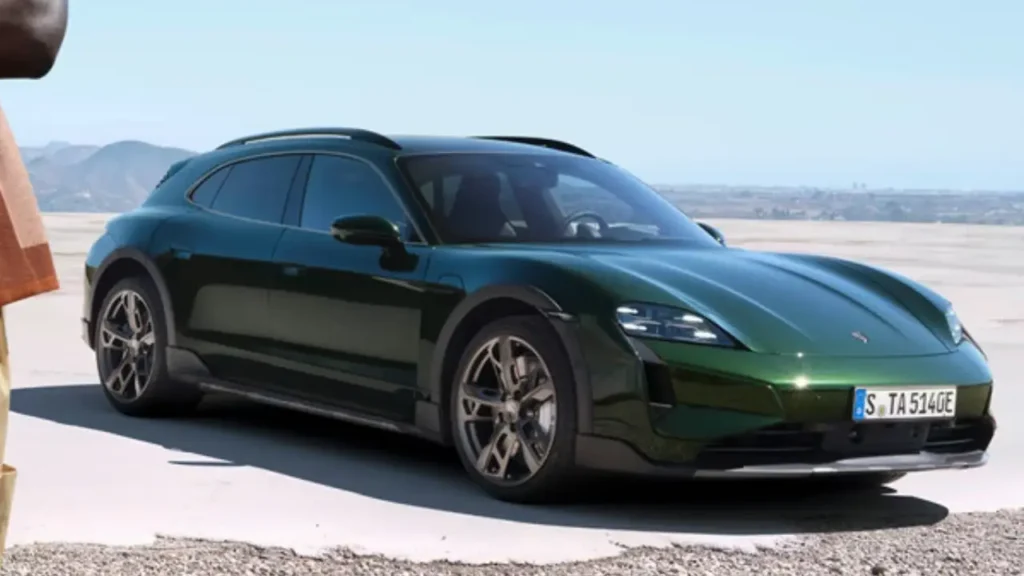
Why It Matters: A performance‑oriented electric wagon/SUV hybrid that blends sportiness and utility.
Price Range (Global): ~$110,000 – $130,000
Porsche continues to push EV performance boundaries with this versatile model. It offers exhilarating acceleration and spirited handling while remaining practical enough for families and weekend trips.
8. Nissan Ariya
Why It Matters: Nissan’s long‑range electric crossover designed for comfort, tech, and everyday usability.
Price Range (Global): ~$40,000 – $55,000
The Ariya’s balanced approach makes it a strong all‑around EV contender. With a smooth driving experience and advanced driver assistance systems, it appeals to buyers seeking a dependable daily driver.
9. Mercedes‑Benz EQE SUV
Why It Matters: A premium electric SUV that pushes luxury EV experiences forward with advanced comfort and intelligence.
Price Range (Global): ~$75,000 – $95,000
Mercedes‑Benz extends its EQ lineup with this refined electric SUV, offering state‑of‑the‑art infotainment, intelligent safety systems, and plush materials. It targets luxury buyers transitioning to electric mobility without compromise.
10. Tata Curvv EV Concept → Production Model
Why It Matters: A homegrown electric SUV from India’s Tata Motors, signaling a major shift toward regional EV manufacturing.
Price Range (India Basis): ~$30,000 – $40,000 (approx.)
Tata’s Curvv EV showcases India’s ability to produce locally relevant electric vehicles with strong value. A competitive price point combined with modern design and sensible range positions it as a potential game‑changer in South Asian markets where cost and practicality are key.
What Makes These Cars Stand Out
Electrification as the Norm
In 2026, electrification isn’t a fringe option it’s increasingly mainstream. Most major manufacturers now offer EVs with practical range and charging support that rival traditional combustion cars. This shift matters in markets with rising environmental awareness and urban congestion.
Technology and Smart Features
From advanced driver assistance systems (ADAS) to over‑the‑air updates and integrated connectivity, software plays a major role. Cars are becoming mobile computing platforms as much as transportation devices.
Design and Experience
Stylish interiors, customizable user interfaces, and thoughtful ergonomics mean buyers prioritize the overall experience not just engine power or speed.
Why This Matters for Buyers in South Asia
While some models may not be officially available in Bangladesh or neighboring markets in 2026, the lineup indicates where global demand and automotive investment are headed. Importers, local dealerships, and aspirational buyers often look to the global automotive calendar to judge what will enter regional markets next. EV adoption, in particular, may accelerate in cities where charging infrastructure begins to grow.
The range and diversity of cars in 2026 reflect a broader transformation in how we think about mobility not just as a way to get from point A to B, but as a reflection of lifestyle, values, and future direction.