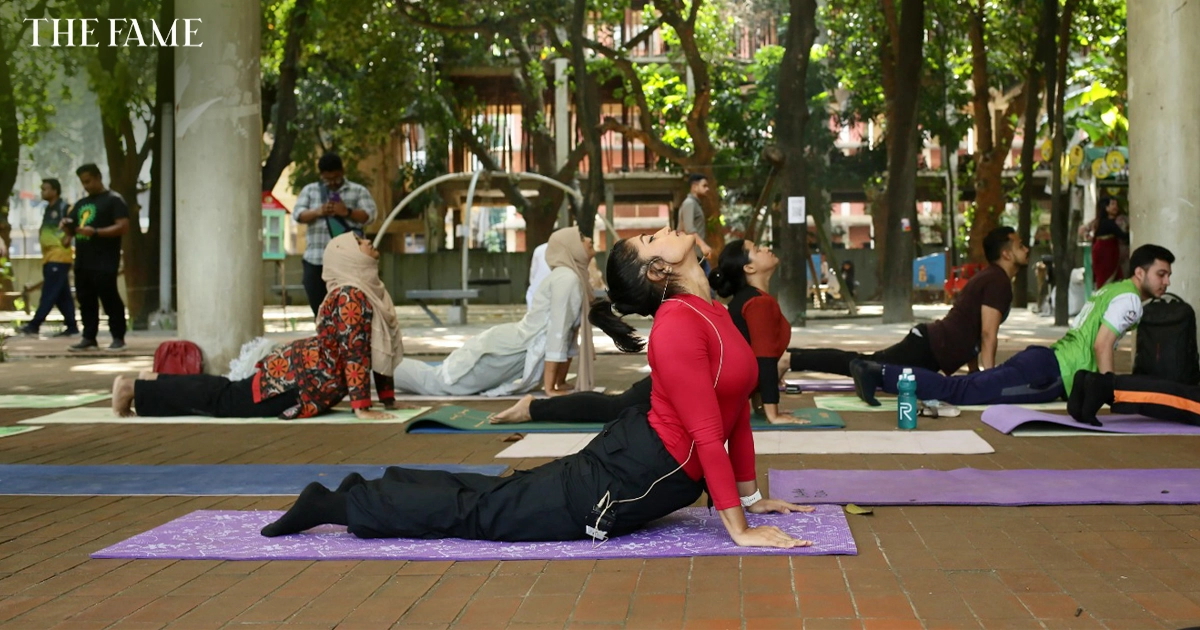




Shwapnil Shojib: Carrying Bengali Music to the World
A classically trained vocalist and cultural bridge, Shwapnil Shojib brings the emotional depth of Bengali music to global audiences—blending

A classically trained vocalist and cultural bridge, Shwapnil Shojib brings the emotional depth of Bengali music to global audiences—blending tradition, elegance, and contemporary sensibility.
Rooted in South Asia’s rich musical heritage yet unmistakably global in outlook, Shwapnil Shojib is a Bangladeshi singer whose work transcends language and geography. Best known for his expressive interpretations of Rabindrasangeet—the songs of Nobel laureate Rabindranath Tagore—he is equally fluent in classical vocals, Sugam Sangeet, and contemporary styles, earning a reputation for vocal intensity, refinement, and emotional clarity.
Born Sharif Md Sojib, he began performing at the age of five and trained extensively under leading mentors, including Ustad Ali Imam Chowdhuri and celebrated Rabindrasangeet exponent Rezwana Chowdhuri Banya, alongside formal studies at Bangladesh Shilpokola Academy and Chhayanout. A nationally awarded child prodigy, he is now a recognized artist with Bangladesh Betar and Bangladesh Television, and a familiar media presence as a television anchor.Shwapnil’s music has reached audiences across North America, Europe, Asia, and Africa, and in 2015 he became the first official Bangladeshi performer at the North American Bengali Conference. His debut album, The Tagore Treasury, topped charts in Bangladesh and was followed by critically received releases including Neel Otol and Amar Mukti. Today, he stands as a contemporary cultural ambassador—presenting Bengali music not as a regional form, but as a universal emotional language.
Did you choose music, or did music choose you? How did it all begin?
Music chose me long before I understood what choosing meant.
My aunt, Lutfunnahar Lata, used to practice music at home. I would sit beside her, listening, absorbing, enjoying. Once, she took me to a village program. I insisted on singing, though she warned me that I didn’t really know how yet. I refused to step back.
They finally let me sing Pagal Mon, a modern folk song. The audience responded instantly. In village performances, it was customary to offer money to the singer—and that day, I received more than anyone expected. That was the moment something clicked. I realized I didn’t just enjoy music; I needed to learn it seriously.
Later, as a business graduate from a middle-class family, I had other plans laid out for me. Like many parents, mine wanted stability. Art was not considered a “safe” profession. But as I continued learning music, I realized something quietly profound: music and I had become inseparable.
In 2015, I was invited to perform in Houston at a Bengali event attended by nearly 6,000 people from across North America. It clashed with my honours exams. I asked my mother for permission, fully prepared for refusal. Instead,
she told me to follow what my heart wanted. I skipped the exam, performed, and took the exam the following year.
That’s how it’s always been. Music has led, embraced me, and given me back more love than I ever imagined.
How can local music truly become global—without losing its soul?
We already live in a global music world. A song created in one corner of the planet can reach another instantly. Technology has removed barriers—but mindset still matters.
To take local music global, we don’t need to abandon our roots. We need to reimagine how we present them. Look at Bad Bunny from Puerto Rico. He sings entirely in Spanish, yet his music resonates worldwide. Why? Because rhythm, composition, and emotion come first.
We often underestimate our own music. A folk song can remain deeply local, yet feel universal if the arrangement, sound design, and instrumentation are thoughtfully updated. Modern instruments don’t dilute tradition; they can amplify it.
Fusion, when done with respect, is not betrayal—it’s visibility. The beat of a song must align with the heartbeat of the listener. That’s where our artists need to be more open and fearless.
Where do Bangladeshi lyrics succeed—and where do they still struggle?
Bangla lyrics are rich, emotional, and incredibly versatile. Our poetic tradition is powerful. The challenge isn’t quality—it’s confinement.
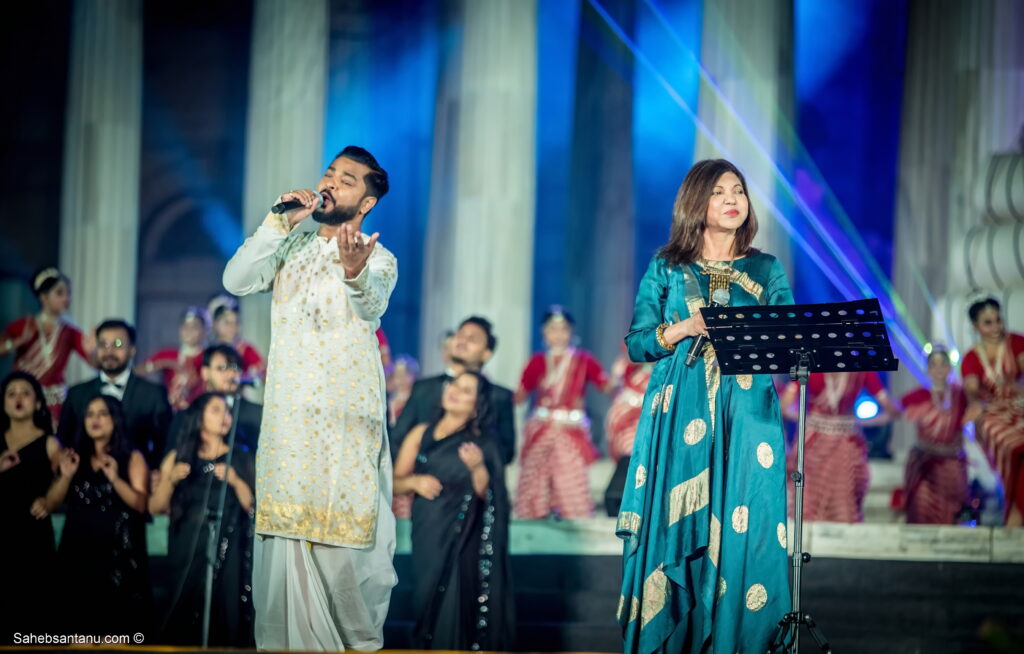
Too often, we try to keep our music narrowly localized, as if it must stay within familiar borders. But history tells us otherwise. Runa Laila sang in multiple languages and carried Bangla music across continents. After her, we didn’t continue that momentum strongly enough.
Look at Shreya Ghoshal today. She built her foundation in Indian music, but now collaborates globally, allowing the music to travel further. That’s a lesson we should embrace.
Personally, I’m exploring alternative jazz using local songs. The pre-production work is already underway. My goal is not to dilute Bangla music—but to let it breathe in new musical spaces.
You’ve studied and performed in the U.S. Do you plan to settle there?
I am Bangladeshi—by heart, by soul. The smell of this soil grounds me.
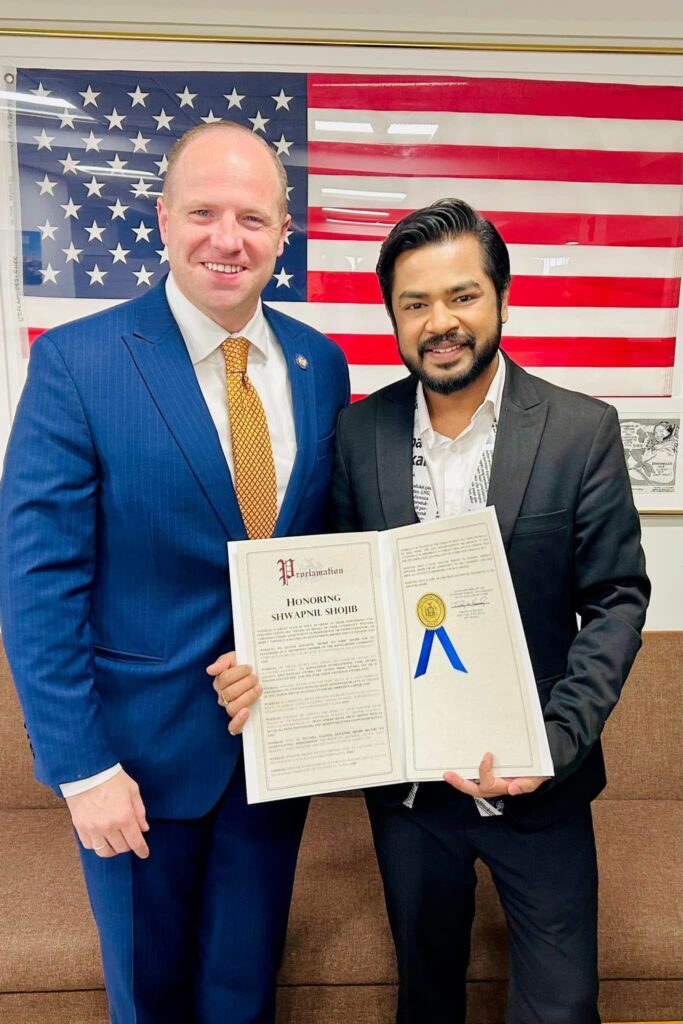
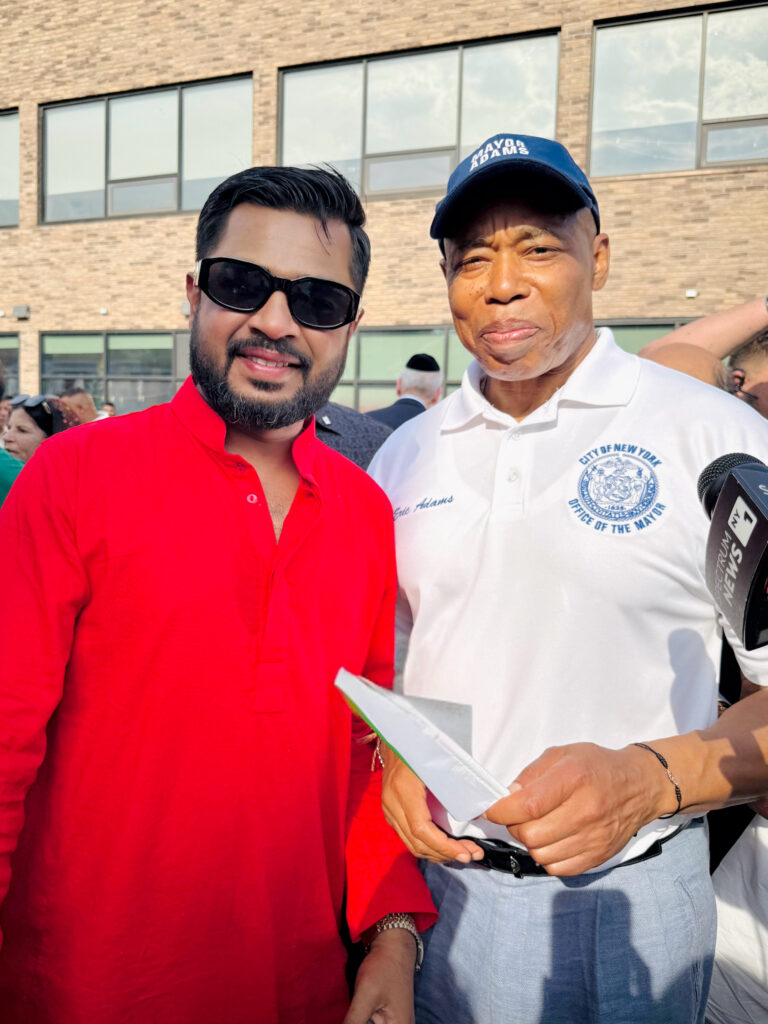
I went to the U.S. for a short course in alternative jazz at The Juilliard School. That experience expanded my musical language, and now I want to translate those lessons into an album, planned for 2026. I’ve also received certificates from cities like Los Angeles, New Jersey, and Washington, D.C., presented by respective mayors. I’m grateful—but recognition has never been the destination.
My focus now is on grassroots music—songs of the Bede, Bauls, and people whose voices often go unheard. Their stories matter. Their music matters.
The love I’ve received has brought me this far. I hope audiences continue to support not just me, but also new and emerging artists—because the future of our music depends on how generously we listen.
What has been the most rewarding part of your journey as a singer?
The most rewarding part has always been love—consistent, unexpected, and deeply human. I’ve been singing since childhood, and while I’m grateful for professional milestones—national gold medals in folk music in 2005 and 2007, and winning the National Rabindra Sangeet Parishad competition three years in a row—those are only markers on a much longer road.
What truly stays with me is the affection I’ve received from seniors, teachers, audiences, and complete strangers. I’ve performed in over 45 countries, sometimes in places where there were no Bangladeshis at all. Yet people responded—clapped, smiled, felt moved—even when they didn’t understand a single word of the lyrics.
Those moments taught me something essential: music doesn’t need translation. Melody, rhythm, and emotion travel faster than language. That is when I understood the quiet power of music—to connect souls beyond borders.